
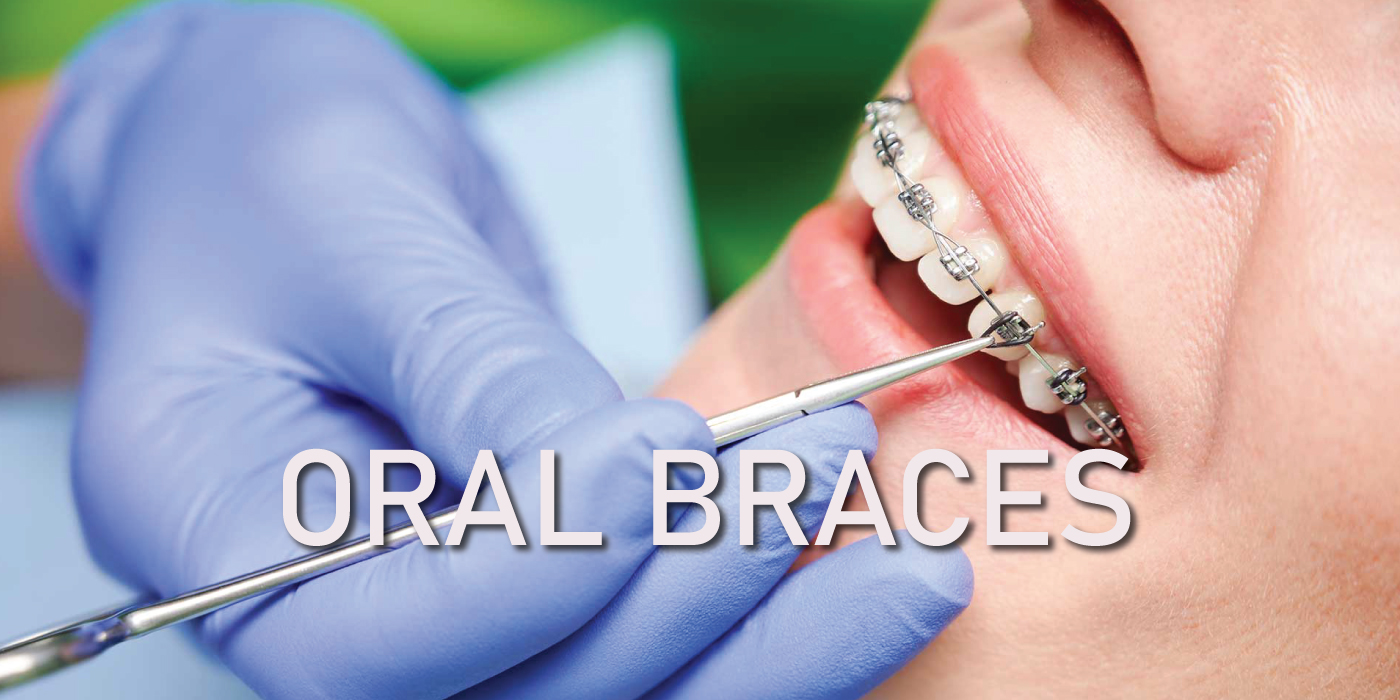
Oral Braces in Dubai: The Complete Guide to Teeth Braces-Dr.Basel Mofti
A straight, confident smile can change the way you feel about yourself — and the way the world sees you. If you’ve been considering orthodontic treatment, you’re not alone. Thousands of residents and expats in Dubai seek teeth braces every year, making orthodontics one of the most in-demand dental services in the UAE. Whether you’re dealing with crooked teeth, a misaligned bite, or gaps between your teeth, oral braces offer a proven, effective solution.
This guide covers everything you need to know about oral braces in Dubai — from the types available and how they work, to costs, timelines, and tips for choosing the right orthodontist.
What Are Oral Braces?
Oral braces, commonly known as teeth braces, are orthodontic devices designed to gradually shift teeth into their correct positions. They apply consistent, controlled pressure to the teeth over a period of months or years, correcting alignment, closing gaps, and improving your overall bite.
Braces are not just a cosmetic fix. Properly aligned teeth are easier to clean, reduce the risk of tooth decay and gum disease, and can even prevent jaw pain and headaches caused by a misaligned bite. For both children and adults, braces can deliver life-changing results.
Who Needs Teeth Braces?
Orthodontic treatment is recommended for a wide range of dental issues. You may benefit from braces in Dubai if you have:
- Crowded or overlapping teeth — when there isn’t enough space in the mouth for all teeth to sit comfortably
- Gaps or spacing issues — spaces between teeth that affect both appearance and function
- Overbite — when the upper teeth protrude significantly over the lower teeth
- Underbite — when the lower teeth sit in front of the upper teeth
- Crossbite — when some upper teeth sit inside the lower teeth rather than outside
- Open bite — when the upper and lower teeth don’t meet properly when the mouth is closed
- Misaligned jaw — causing discomfort, difficulty chewing, or speech issues
An initial consultation with an orthodontist in Dubai will include X-rays, photographs, and a clinical examination to determine whether braces are the right solution for your specific case.
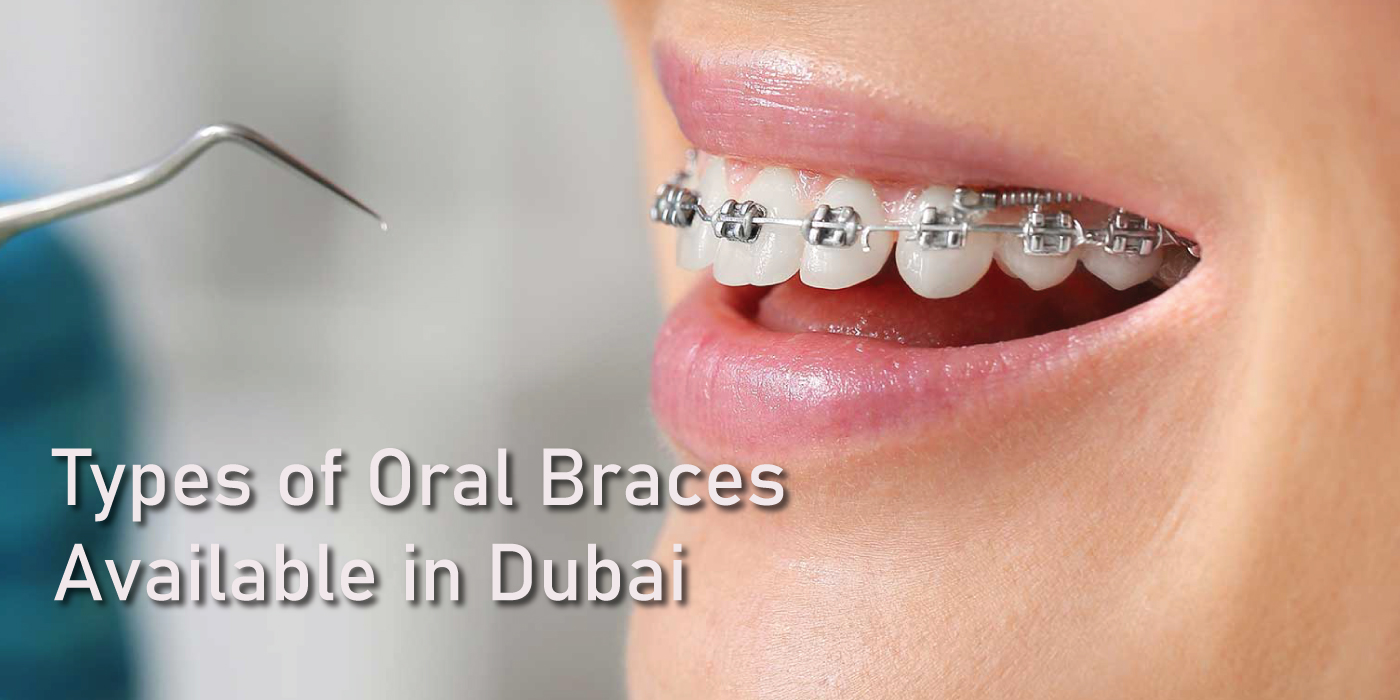
Types of Oral Braces Available in Dubai
Dubai’s dental clinics offer a full spectrum of orthodontic options, from traditional metal brackets to virtually invisible aligners. Here’s a breakdown of each type:
- Traditional Metal Braces
Metal braces are the most commonly used and widely recognised form of orthodontic treatment. They consist of metal brackets bonded to each tooth, connected by an archwire that applies consistent pressure to guide teeth into position. Rubber bands or elastics may also be used to correct bite issues.
Pros:
- Highly effective for complex cases
- Durable and reliable
- Generally the most affordable option
- Available at virtually all dental clinics in Dubai
Cons:
- Visible on the teeth
- Require dietary adjustments (avoiding hard, sticky foods)
- Brackets can cause minor irritation to the inside of the mouth
Metal braces are an excellent choice for children, teenagers, and adults who need significant correction and want a cost-effective treatment.
- Ceramic Braces
Ceramic braces work on the same principle as metal braces but use tooth-coloured or clear brackets that blend naturally with your teeth. The archwire may also be tooth-coloured for a more discreet appearance.
Pros:
- Less visible than metal braces
- Equally effective as metal for most cases
- A popular choice among adults and image-conscious teens
Cons:
- Slightly more expensive than metal braces
- Brackets can stain if not maintained properly (from coffee, tea, or certain foods)
- Can be slightly more fragile than metal brackets
Ceramic braces strike a balance between effectiveness and aesthetics, making them one of the most popular choices in Dubai’s cosmopolitan dental market.
- Lingual Braces
Lingual braces are placed on the inner (tongue-facing) surface of the teeth, making them completely invisible from the outside. They are custom-made for each patient, which makes them one of the most precise orthodontic options available.
Pros:
- Completely hidden — no visible brackets or wires
- Ideal for professionals and adults who want a discreet treatment
- As effective as traditional braces for most cases
Cons:
- More expensive than metal or ceramic braces
- Can initially cause some discomfort to the tongue
- Requires a short adjustment period for speech
- Fewer orthodontists in Dubai offer this specialised technique
Lingual braces are particularly popular among working professionals in Dubai who want effective treatment without compromising their appearance.
- Clear Aligners (Invisalign)
Clear aligners, most famously offered through the Invisalign system, are a series of custom-made, transparent, removable trays that gradually shift teeth into position. Each set of aligners is worn for approximately one to two weeks before moving to the next set in the series.
Pros:
- Nearly invisible when worn
- Removable for eating, drinking, and brushing
- No dietary restrictions
- Comfortable, smooth plastic — no sharp edges
- Fewer in-clinic appointments required
Cons:
- Requires discipline — must be worn 20 to 22 hours per day
- Not ideal for very complex orthodontic cases
- Generally more expensive than metal braces
- Aligners need to be changed regularly and kept clean
Invisalign and similar clear aligner systems have become immensely popular in Dubai, particularly among adults who want a flexible, aesthetically pleasing treatment option.

- Self-Ligating Braces
Self-ligating braces are similar to traditional metal or ceramic braces but use a built-in sliding mechanism rather than elastic bands to connect the archwire to the brackets. This reduces friction and often results in a more comfortable treatment with fewer adjustments needed.
Pros:
- Reduced friction for potentially faster treatment
- Fewer clinic visits for adjustments
- Available in both metal and ceramic versions
Cons:
- Slightly more expensive than conventional braces
- Not dramatically different in appearance from standard braces
Self-ligating braces are an upgraded alternative to traditional braces, offering efficiency and comfort advantages without the premium price of lingual braces or aligners.
How Do Teeth Braces Work?
Regardless of the type, all braces work by applying continuous, gentle pressure to the teeth. Over time, this pressure causes the bone surrounding the tooth root to remodel — the bone on one side gradually breaks down, while new bone forms on the other side. This process, called bone remodelling, is what allows teeth to move safely and permanently into new positions.
Your orthodontist will periodically tighten or adjust your braces throughout treatment to maintain the right level of pressure as your teeth shift. At the end of active treatment, you’ll be fitted with a retainer — a device worn after braces to hold your teeth in their new positions while the surrounding bone settles and stabilises.
The Teeth Braces Process in Dubai: Step by Step
Understanding what to expect before, during, and after treatment helps you feel confident and prepared.
Step 1: Initial Consultation
Your orthodontic journey begins with a comprehensive consultation. Your Dubai orthodontist will examine your teeth, take digital X-rays or 3D scans, and discuss your goals. This appointment is your opportunity to ask questions about treatment options, timelines, and costs.
Step 2: Treatment Planning
Using your X-rays, scans, and clinical findings, your orthodontist will create a personalised treatment plan. For clear aligners, a digital simulation is often produced so you can preview your expected final result before treatment begins.
Step 3: Fitting Your Braces
For metal or ceramic braces, brackets are bonded to each tooth using a dental adhesive, and the archwire is threaded through. For clear aligners, your first set of trays is handed over with instructions. The fitting appointment typically takes one to two hours.
Step 4: Active Treatment
You’ll visit your orthodontist every four to eight weeks for adjustments (or check-ins for aligner wearers). Each appointment keeps your treatment on track and allows your orthodontist to monitor progress.
Step 5: Debonding and Retainer Fitting
Once your teeth reach their final positions, your braces are removed — a process called debonding. Your orthodontist will then take impressions or scans for your custom retainer.
Step 6: Retention Phase
Wearing your retainer as instructed is essential. Many patients wear their retainer nightly long-term to prevent teeth from shifting back to their original positions — a process known as relapse.
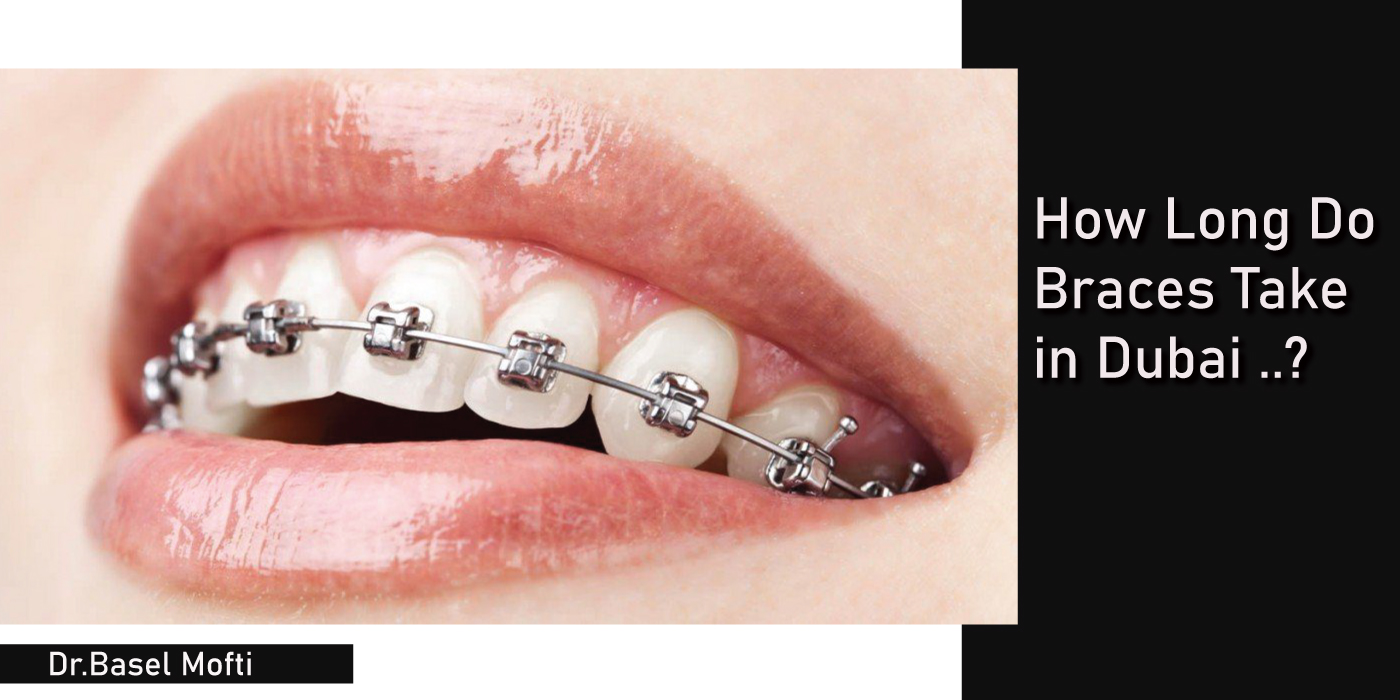
How Long Do Braces Take in Dubai?
Treatment duration depends on the complexity of your case and the type of braces chosen. As a general guide:
Severity of Case | Estimated Treatment Time |
Mild correction | 6 – 12 months |
Moderate correction | 12 – 18 months |
Complex correction | 18 – 36 months |
Clear aligners for mild to moderate cases can sometimes be completed in as little as six months, while severe crowding or bite correction may require two to three years with traditional braces.
Cost of Teeth Braces in Dubai
Orthodontic treatment in Dubai is priced according to treatment type, clinic reputation, and case complexity. Below is a general pricing guide in UAE Dirhams (AED):
Type of Braces | Approximate Cost (AED) |
Metal Braces | AED 5,000 – AED 12,000 |
Ceramic Braces | AED 7,000 – AED 15,000 |
Lingual Braces | AED 15,000 – AED 30,000 |
Clear Aligners (Invisalign) | AED 12,000 – AED 25,000 |
Self-Ligating Braces | AED 7,000 – AED 16,000 |
Many clinics in Dubai offer installment payment plans, making orthodontic treatment more financially accessible. It’s also worth checking whether your health insurance in the UAE covers any portion of orthodontic treatment — some plans include a partial orthodontic benefit, particularly for children.
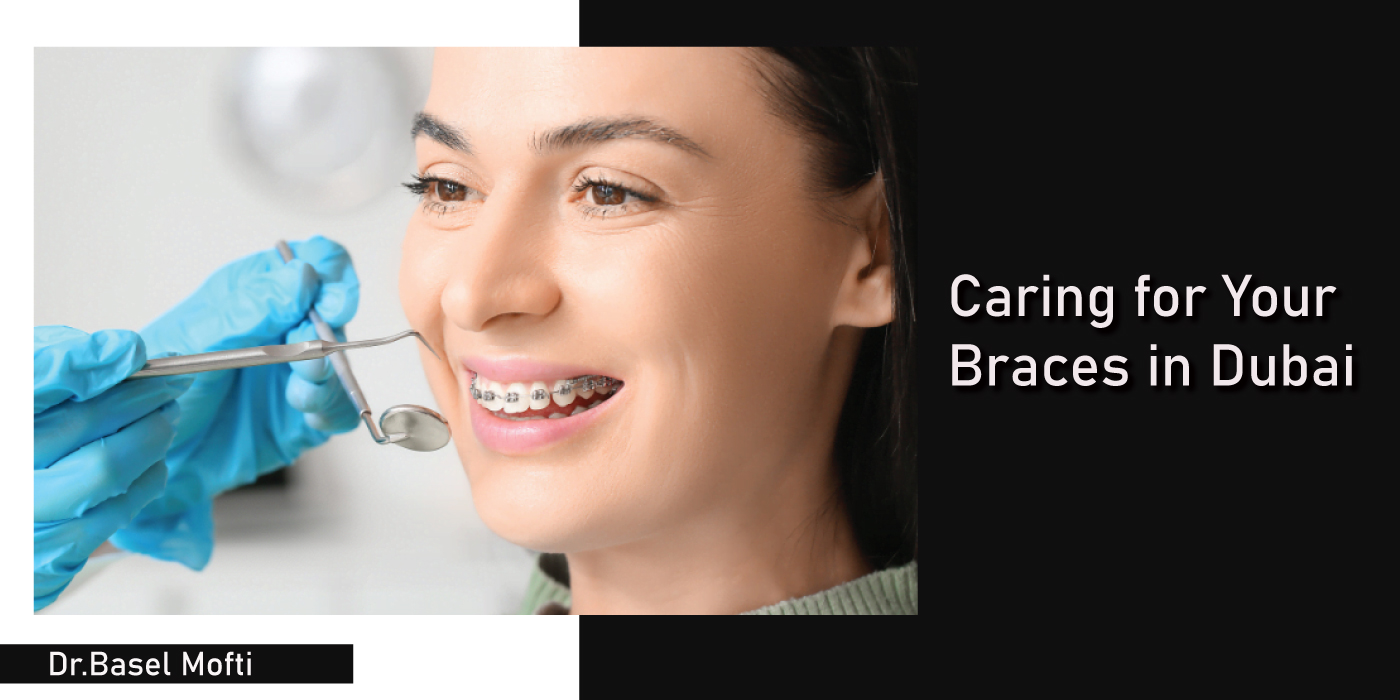
Caring for Your Braces in Dubai
Dubai’s lifestyle — dining out frequently, enjoying a wide range of cuisines — means brace wearers need to be a little more mindful about food choices and oral hygiene.
Foods to avoid with fixed braces:
- Hard foods (nuts, raw carrots, crusty bread)
- Sticky foods (caramel, chewing gum, toffee)
- Sugary fizzy drinks
- Popcorn
Oral hygiene tips:
- Brush after every meal using a soft-bristled toothbrush
- Use an interdental brush or floss threader to clean between brackets and wires
- Use a fluoride mouthwash daily
- Attend all scheduled orthodontic appointments
For clear aligner wearers, always remove your aligners before eating or drinking anything other than plain water, and rinse them thoroughly before reinserting.
Choosing the Right Orthodontist in Dubai
Dubai has hundreds of dental clinics, so knowing what to look for helps you make a confident decision.
- Specialist qualification — Look for a certified orthodontist, not just a general dentist offering braces. An orthodontic specialist has completed two to three years of postgraduate training beyond dental school.
- Technology — The best clinics use digital X-rays, 3D scanning, and iTero or similar intraoral scanners for precise treatment planning.
- Reviews and before/after photos — Patient testimonials and visual results give you a realistic picture of the clinic’s quality.
- DHA or MOH licence — Confirm that the orthodontist is licensed by the Dubai Health Authority (DHA) or Ministry of Health (MOH), as required for all healthcare practitioners in the UAE.
- Consultation approach — A quality orthodontist takes time to explain your options, doesn’t pressure you, and answers all your questions clearly.
Is There an Age Limit for Braces?
Absolutely not. While orthodontic treatment is commonly associated with teenagers, adults of all ages can benefit from braces. In fact, the demand for adult orthodontics in Dubai has risen significantly, with clear aligners and lingual braces particularly popular among working adults.
For children, orthodontists often recommend an early evaluation around age seven, though active treatment typically begins between ages 10 and 14 when most permanent teeth have erupted. Early assessment allows the orthodontist to monitor development and intervene at the ideal time if necessary.
Frequently Asked Questions (FAQs) — Oral Braces in Dubai
Most orthodontists recommend a first evaluation by age seven, though active brace treatment typically begins between ages 10 and 14, once most permanent teeth have come through. That said, there is no upper age limit — adults in their 30s, 40s, and beyond successfully complete orthodontic treatment every day. The right age depends on your child's dental development, which your orthodontist will assess during an initial consultation.
The cost varies depending on the type of braces and the complexity of your case. As a general guide, metal braces start from around AED 5,000, ceramic braces from AED 7,000, clear aligners (such as Invisalign) from AED 12,000, and lingual braces from AED 15,000. Most reputable clinics in Dubai offer flexible installment payment plans to spread the cost over the treatment period.
Some UAE health insurance plans include a partial orthodontic benefit, particularly for children under a certain age (commonly 18). Coverage varies significantly between providers and policy tiers. It's best to contact your insurer directly and ask specifically about orthodontic benefits before beginning treatment. Your clinic's front desk team can also help verify your coverage.
Treatment length depends on how much correction is needed. Mild cases with clear aligners can be resolved in as little as six months, while moderate cases typically take 12 to 18 months. Complex orthodontic issues — such as severe crowding or significant bite correction — may require 24 to 36 months of treatment. Your orthodontist will give you a personalised estimate at your consultation.
Braces don't cause sharp pain, but you can expect some soreness and pressure for a few days after each adjustment appointment as your teeth begin to shift. This is completely normal and usually manageable with over-the-counter pain relief such as paracetamol or ibuprofen. The discomfort typically fades within two to three days. Most patients adjust to their braces within the first few weeks and barely notice them day to day.
With fixed braces (metal, ceramic, or lingual), you'll need to avoid hard, crunchy, and sticky foods that can damage brackets or get trapped in the wire — think popcorn, hard nuts, chewing gum, and toffee. Soft foods are your best friends, especially in the days after adjustments. If you choose clear aligners, you simply remove the trays before eating, so there are no food restrictions at all — one of the biggest lifestyle advantages of aligner treatment.
Traditional braces use fixed metal or ceramic brackets bonded to your teeth, connected by a wire that is adjusted periodically. They are always in place and cannot be removed. Invisalign uses a series of custom-made, removable, transparent plastic trays that are swapped out every one to two weeks. Invisalign is more discreet and allows you to eat freely, but requires strong commitment — the trays must be worn 20 to 22 hours per day for results. Traditional braces are generally better suited for complex cases and tend to be more affordable.
Yes — this is a non-negotiable step. Once your braces are removed or your aligner course is complete, your teeth have a natural tendency to drift back toward their original positions (called relapse). A retainer holds your teeth in place while the surrounding bone fully stabilises. Most orthodontists recommend wearing a retainer nightly on an ongoing basis to maintain your results long-term. Skipping the retainer is the most common reason people lose their orthodontic results.
Oral hygiene becomes more important — not less — during orthodontic treatment. For fixed brace wearers, brush thoroughly after every meal using a soft-bristled toothbrush, and use an interdental brush or floss threader to clean around brackets and under the wire. A fluoride mouthwash used daily adds an extra layer of protection. For clear aligner wearers, remove your trays before eating, rinse them after meals, and clean them with a soft brush and lukewarm water. Maintaining hygiene prevents staining, cavities, and gum inflammation during treatment.
Look for an orthodontic specialist — someone with postgraduate orthodontic qualifications, not just a general dentist offering braces as an add-on service. Confirm they hold a valid licence from the Dubai Health Authority (DHA) or the Ministry of Health (MOH). Check patient reviews, ask to see before-and-after photos from real cases, and make sure the clinic uses modern diagnostic technology such as 3D intraoral scanners. A good orthodontist will take time during your consultation to explain all your options clearly and honestly, without pressuring you into a specific treatment.
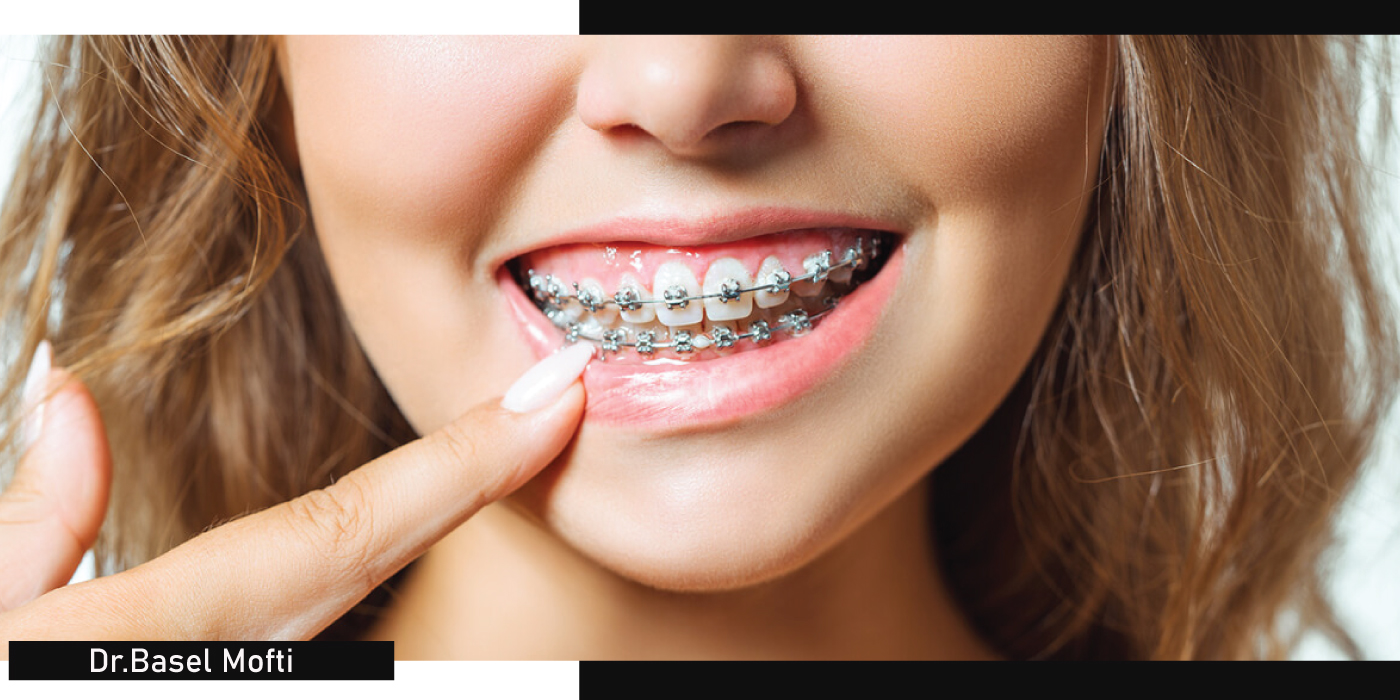
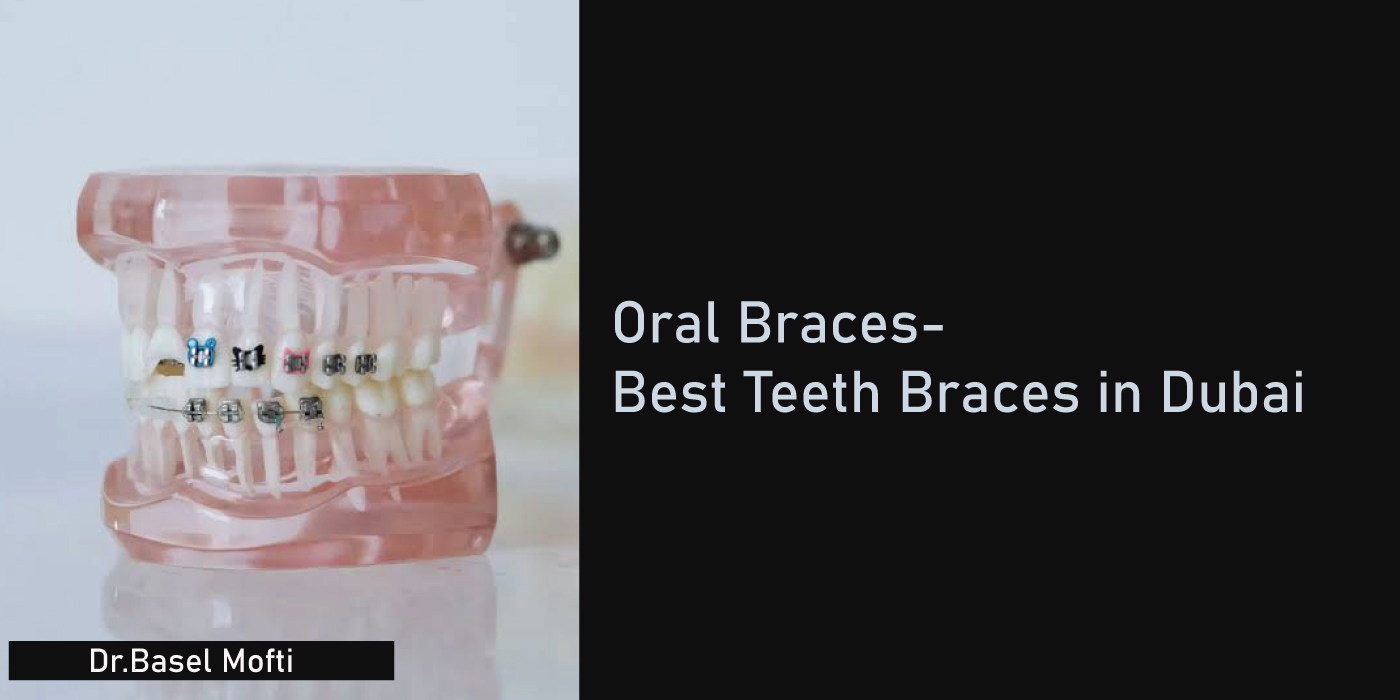
Conclusion- Oral Braces- Best Teeth Braces in Dubai
Investing in teeth braces in Dubai is investing in your long-term health, confidence, and quality of life. With world-class dental clinics, cutting-edge orthodontic technology, and a wide range of treatment options to suit every budget and lifestyle, Dubai is one of the best cities in the region to undergo orthodontic treatment.
The first step is simple — book a consultation with a licensed orthodontist, discuss your goals, and let the experts map out a personalised path to the smile you’ve always wanted. Whether you opt for traditional metal braces, discreet ceramic brackets, hidden lingual braces, or convenient clear aligners, the result is the same: a healthier, straighter, more confident smile.