
Retainers After Braces or Invisalign Dubai: Why They Matter and How Long to Wear Them
Completing orthodontic treatment is a major milestone. Whether you have finished braces or Invisalign, seeing your new smile for the first time can feel exciting and rewarding. But the end of active treatment is not the end of the process. In reality, one of the most important stages begins right after your teeth are straightened: retention.
Retainers are essential after braces or Invisalign because teeth naturally tend to shift over time. Without proper retention, even beautifully aligned teeth can slowly move back toward their old positions. For many patients in Dubai, this comes as a surprise. They assume that once treatment is complete, the results are permanent on their own. Unfortunately, that is not how teeth behave.
This guide explains why retainers matter, how long they should be worn, the different types of retainers available, what happens if you stop wearing them, and how patients in Dubai can protect their smile for the long term.
Why Retainers Matter After Braces or Invisalign
Orthodontic treatment moves teeth through bone into new positions. Once the teeth are aligned, the surrounding bone, gums, and soft tissues need time to adapt and stabilize. Even after treatment is complete, those tissues can still exert pressure that encourages teeth to shift.
That is where retainers come in. Their role is simple but critical: they help hold your teeth in their new position while your mouth adjusts.
Retainers matter because they help:
- maintain the results of braces or Invisalign
- reduce the risk of relapse
- protect the time and money invested in treatment
- preserve bite alignment
- support long-term smile stability
In other words, retainers are what help keep your orthodontic results from undoing themselves.
Why Teeth Move After Orthodontic Treatment
Many patients ask why teeth would move after months or years of treatment. The answer is that teeth are never completely fixed in place. They exist in a dynamic environment influenced by bone remodeling, gum fibers, bite pressure, tongue posture, chewing habits, and natural aging.
Teeth may shift after treatment because of:
- the elastic memory of gum and periodontal fibers
- natural changes in jaw structure over time
- pressure from the lips, cheeks, and tongue
- grinding or clenching habits
- not wearing retainers as advised
- general age-related dental movement
Even people who have never had braces can experience crowding or shifting as they get older. After orthodontic treatment Dubai, the teeth are especially vulnerable to movement if they are not properly retained.
Are Retainers Necessary After Invisalign Too?
Yes, absolutely. Some patients assume that Invisalign patients do not need retainers because the treatment used aligners instead of braces. That is incorrect.
Invisalign moves teeth just like braces do. Once the active aligners are finished, the teeth still need retention to remain stable. In fact, because Invisalign patients are already used to removable trays, retainer wear after treatment is usually a very natural next step.
Whether you had:
- metal braces
- ceramic braces
- Damon braces
- lingual braces
- Invisalign
- other clear aligner systems
you will still need retainers to maintain the result.
What Happens If You Do Not Wear Your Retainers?
This is one of the most important questions, and the answer is straightforward: your teeth can move.
How much they move, and how quickly, depends on the individual case. Some patients notice small changes within weeks or months. Others experience gradual shifting over a longer period. But relapse is real, and it can affect both appearance and function.
If retainers are not worn as instructed, patients may notice:
- front teeth becoming slightly crooked again
- small gaps reopening
- crowding returning
- bite changes
- tightness when trying to reinsert an old retainer
- the need for retreatment in some cases
Many people regret not taking retainers seriously only after they start seeing movement. By then, reversing the changes may require new retainers or additional orthodontic treatment.
How Long Do You Need to Wear Retainers?
This is the question every patient asks: for how long?
The honest answer is that retainers are usually a long-term commitment. The wear schedule may change over time, but some form of retention is generally needed for years, and often indefinitely, if you want to maintain the best possible result.
The first phase: full-time wear
Immediately after braces or Invisalign, many orthodontists recommend full-time retainer wear, except during eating, drinking hot beverages, brushing, and flossing. This phase is especially important because the teeth are most likely to move soon after treatment ends.
This period may last for several weeks or months depending on the case.
The second phase: night-time wear
After the initial stabilization period, many patients move to night-time retainer wear. This means wearing the retainer while sleeping each night.
For many patients, night-time wear continues for the long term. Some people eventually reduce frequency based on professional advice, but stopping completely is often risky if maintaining alignment is the priority.
The long-term reality
The simplest way to think about it is this: if you want straight teeth to stay straight, you should expect to wear retainers at night long term.
That may sound inconvenient at first, but most patients adapt very easily. Compared with repeating orthodontic treatment, night-time retainer wear is a much smaller commitment.
Types of Retainers After Braces or Invisalign
There are two main categories of retainers: removable retainers and fixed retainers. Each has advantages, and in some cases patients may use both.
Removable Retainers
Removable retainers are commonly used after both braces and Invisalign. They are designed to be taken out for meals, brushing, and cleaning.
Common removable options include:
Clear retainers
These look similar to Invisalign trays and are popular because they are discreet and easy to wear. They fit closely over the teeth and are often favored by patients who want something nearly invisible.
Benefits include:
- clear and aesthetic appearance
- snug fit
- easy transition for former Invisalign patients
- simple night-time wear
However, they can crack, warp, or be lost if not cared for properly.
Hawley retainers
These are more traditional retainers made from acrylic with a wire across the front teeth. They are durable and adjustable, and they have been used successfully for many years.
Benefits include:
- strong and long-lasting design
- adjustability in some cases
- less coverage over the teeth than clear retainers
Some patients find them slightly more noticeable than clear retainers, but they remain a reliable option.
Fixed Retainers
A fixed retainer is a thin wire bonded behind the front teeth, usually on the lower teeth and sometimes the upper teeth as well. It stays in place all the time and cannot be removed by the patient.
Benefits include:
- continuous retention without relying on patient memory
- hidden behind the teeth
- especially useful for lower front teeth that are prone to crowding
However, fixed retainers also require careful cleaning, and they can sometimes loosen or break without the patient realizing it immediately.
In many cases, a fixed retainer is combined with a removable retainer for extra protection.
Which Retainer Is Best?
There is no single best retainer for everyone. The right choice depends on:
- the original orthodontic problem
- the type of treatment completed
- whether the patient prefers fixed or removable retention
- oral hygiene habits
- lifestyle
- risk of relapse
- orthodontist recommendation
Some patients do very well with clear removable retainers. Others benefit more from a bonded retainer, especially if lower front crowding was a major concern. Many orthodontists recommend a combination approach for maximum stability.
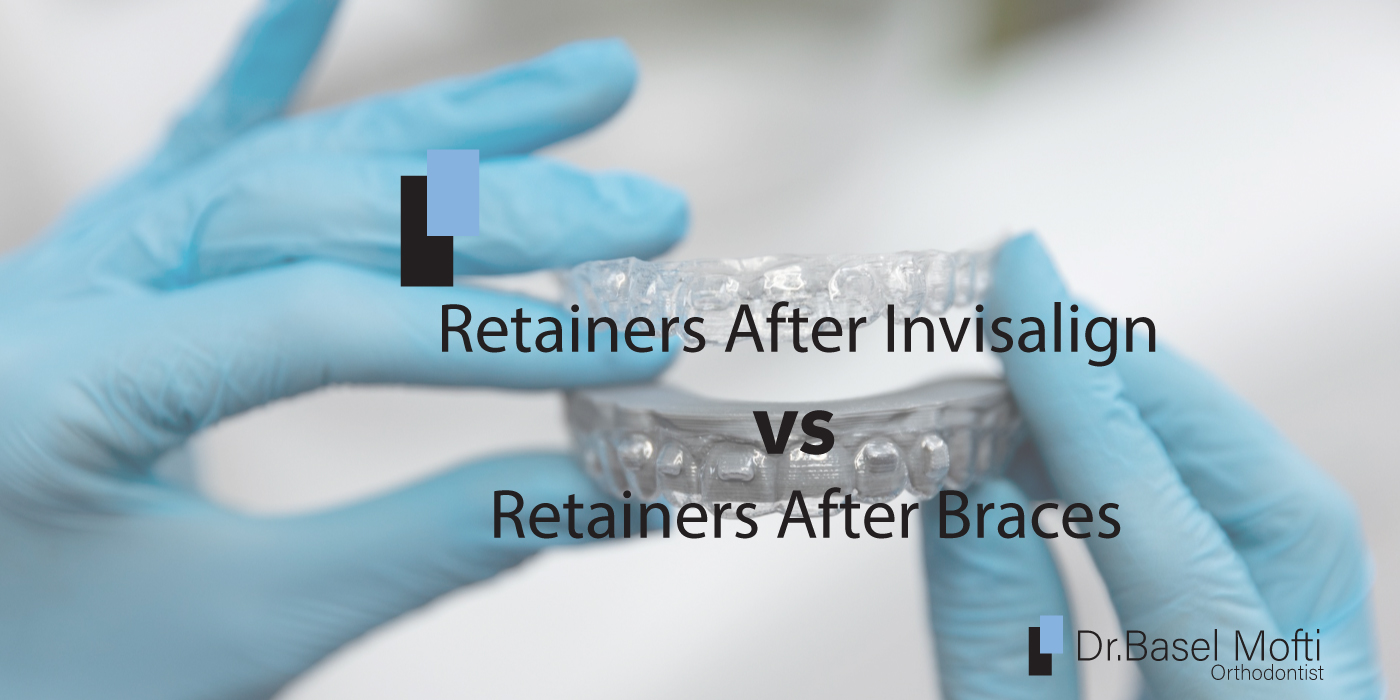
Retainers After Invisalign vs Retainers After Braces
The principle is the same for both. Once treatment ends, retention begins.
After Invisalign
Patients often continue with a clear retainer that feels familiar because it resembles the aligners they have already worn. This makes the transition easy for many people.
After braces
Braces patients may receive either a clear retainer, a Hawley retainer, a fixed retainer, or a combination of these depending on the clinical need.
The key point is that the need for retention is not determined by whether the treatment was braces or Invisalign. It is determined by the biology of tooth movement.
Retainer Wear in Dubai: Why Lifestyle Matters
For patients in Dubai, retainer care can be influenced by climate, work routines, travel, and social habits. Busy schedules make it easier to forget wear time, and hot weather can affect removable retainers if they are left in cars, bags, or near heat.
Patients in Dubai should be especially careful to:
- avoid leaving retainers in hot cars
- store retainers in a proper case
- maintain hydration if dry mouth is an issue
- stay consistent during travel
- carry the retainer case when dining out
- avoid wrapping retainers in tissues during meals
A missed night here and there may not seem important, but repeated inconsistency can gradually affect fit and stability.

How to Take Care of Your Retainers
Whether removable or fixed, retainers need proper care.
For removable retainers
A good routine includes:
- rinsing them after removal
- cleaning them daily with lukewarm water and a gentle retainer-safe cleaner
- avoiding hot water
- storing them in a protective case when not in use
- keeping them away from pets, who often chew them
- never placing them loosely in a napkin or pocket
For fixed retainers
Care includes:
- brushing carefully around the bonded wire
- using floss threaders or special cleaning tools if recommended
- checking regularly for looseness
- attending follow-up appointments
- reporting any breakage early
Retainer care is part of smile maintenance. A damaged or dirty retainer cannot do its job properly.
Signs Your Retainer May Need Attention
Retainers do not last forever. Over time, they may wear down, crack, loosen, or stop fitting properly.
You should seek professional review if:
- the retainer feels tight after previously fitting well
- it has cracked or warped
- a fixed wire feels loose
- the retainer smells unpleasant despite cleaning
- you can see new tooth movement
- it no longer seats fully onto the teeth
Ignoring these signs can allow small changes to become bigger ones.
What If You Lost Your Retainer?
This happens more often than patients expect. If you lose your retainer, do not wait too long before replacing it. Teeth can start to shift sooner than many people realize.
If possible:
- Contact your orthodontic clinic quickly.
- Continue wearing any backup retainer if you have one.
- Do not force an old retainer that no longer fits.
- Arrange replacement as soon as possible.
The longer you wait, the greater the risk that the new retainer will no longer fit the current tooth position.
Can Teeth Shift Even If You Wear Retainers?
Sometimes, yes. Minor movement can still happen over time due to natural changes in the mouth, wear issues, or problems with the retainer itself. However, wearing retainers consistently greatly reduces this risk.
If movement is noticed despite good retainer wear, it may mean:
- the retainer is worn out
- the fit has changed
- the fixed retainer has loosened
- the bite is changing naturally
- a review is needed
This is why long-term follow-up and retainer checks remain important even after active treatment ends.
Are Retainers Uncomfortable?
Most retainers feel unusual for the first few days, but patients usually adapt quickly. After braces or Invisalign, the retainer is generally far more comfortable than active tooth movement.
If a retainer suddenly feels much tighter than usual, that may be a sign it has not been worn consistently or that the teeth have shifted slightly.
Do Retainers Affect Speech?
Some patients notice a slight temporary change in speech, especially with Hawley retainers or when first wearing any removable retainer full-time. This usually improves quickly as the tongue adapts.
For most patients, speech returns to normal within a short period.
How Long Do Retainers Last?
The lifespan of a retainer depends on the type, the material, and how well it is cared for.
- Clear retainers may need replacement sooner if they crack or wear down.
- Hawley retainers can last a long time with proper care.
- Fixed retainers may remain in place for years but still need periodic monitoring.
Even when a retainer seems fine, it is worth having it reviewed from time to time to make sure it still fits and functions correctly.

Retainers After Braces or Invisalign Dubai- FAQ’S
Yes. Invisalign patients need retainers just as braces patients do. Without retainers, teeth can shift after treatment.
Most patients start with full-time wear, then move to night-time wear. Long-term night-time wear is commonly recommended to maintain results.
Some fixed retainers stay in place for years, but all retainers require monitoring and maintenance. Removable retainers are not permanent and may need replacement over time.
Stopping too early increases the risk of relapse. Even if the teeth look stable, they may still shift if retention is discontinued.
It depends on the case. Fixed retainers offer constant support, while removable retainers are easier to clean and manage for some patients. Many patients benefit from using both.
The retainer may feel tight when you put it back in, and some minor tooth movement may have started. If it no longer fits properly, professional advice is important.
If the movement is very minor, sometimes a retainer may still guide the teeth back slightly. But if the retainer does not fit, forcing it is not advisable, and a replacement or further treatment may be needed.
Removable retainers should be cleaned daily with lukewarm water and a gentle cleaner approved for retainers. Fixed retainers need careful brushing and flossing around the wire.
Removable retainers should usually be removed for eating. Fixed retainers stay in place, but good cleaning is still important after meals.
Why Retention Is Just as Important as Treatment
Patients often think the hard part is over once braces are removed or the final Invisalign aligner is completed. But retention is what protects everything achieved during treatment.
Without retention, the time, effort, and financial investment of orthodontic care can be compromised. Wearing a retainer is not an optional extra or a minor afterthought. It is a core part of successful orthodontic treatment.
In a way, braces and Invisalign create the result, but retainers preserve it.
Final Thoughts
Retainers after braces or Invisalign are essential for maintaining a straight, healthy smile. Teeth naturally want to move, especially in the months and years after orthodontic treatment. Retainers help hold them in place and reduce the risk of relapse.
For patients in Dubai, consistency is key. Whether you have a clear removable retainer, a Hawley retainer, a fixed wire, or a combination of options, long-term wear and proper care can make the difference between keeping your result and losing it.
The most important message is simple: do not treat retainers as optional. They are part of the treatment, not something separate from it. If you want your smile to stay as straight as it looks on the day your braces come off or your Invisalign ends, retainers matter – and they matter for the long term.