
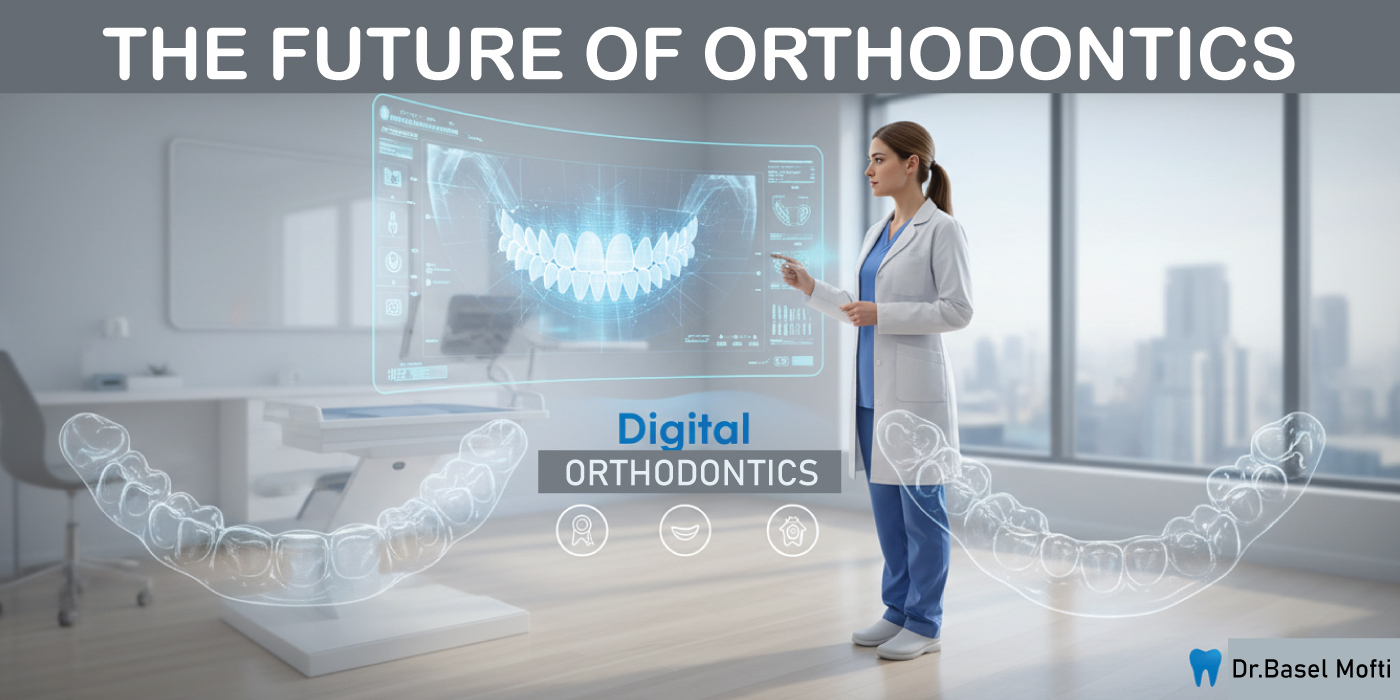
The Future of Orthodontics: How Digital Treatment Planning Is Changing Invisalign Outcomes
Orthodontics is no longer just about straightening teeth. It is becoming a more precise, more personalized, and more digitally driven field where outcomes depend less on the appliance alone and far more on how treatment is planned from the start. As patient expectations continue to rise, the conversation around modern smile correction has shifted toward digital workflows, facial aesthetics, bite function, and long-term stability. In that shift, Invisalign has become one of the most visible tools in orthodontics – but the real difference-maker is not the aligner by itself. It is the expertise behind the treatment plan.
For patients, this distinction matters more than ever. Many people still assume that successful orthodontic treatment depends mainly on choosing a popular system or a clear aligner brand. In reality, the appliance is only one part of the equation. The quality of diagnosis, the accuracy of digital records, the understanding of biomechanics, and the ability to predict how teeth and jaws will respond over time are what separate average results from exceptional ones. That is why the future of orthodontics is increasingly centered on digital treatment planning rather than appliance-first marketing.
From traditional orthodontics to digital workflows
Traditional orthodontics built its reputation on strong clinical foundations: examination, impressions, X-rays, photographs, and mechanical planning based on deep knowledge of tooth movement. Those fundamentals still matter. What has changed is the level of detail and control now available through digital systems.
Instead of relying only on physical molds and manual interpretation, orthodontists can now use intraoral scanning, digital imaging, advanced simulation software, and data-driven treatment sequencing to design highly individualized plans. These tools improve clarity at every stage of treatment. The orthodontist can evaluate spacing, crowding, bite relationships, arch form, smile symmetry, and overall facial balance in a much more integrated way.
This digital transformation is not about replacing orthodontic skill. It is about extending it. Technology can produce images, maps, and treatment simulations, but it cannot think critically on its own. It cannot decide when a movement may be biologically inefficient, when aesthetics may conflict with function, or when a treatment approach needs to be adjusted for long-term stability. That remains the orthodontist’s job.
In modern practice, the most successful clinicians are using digital workflows not as a shortcut, but as a precision tool. That is why digital orthodontics has become one of the most important discussions in the field today. Patients want comfort, convenience, and discretion, but they also want outcomes that look natural, feel balanced, and remain stable after treatment ends.
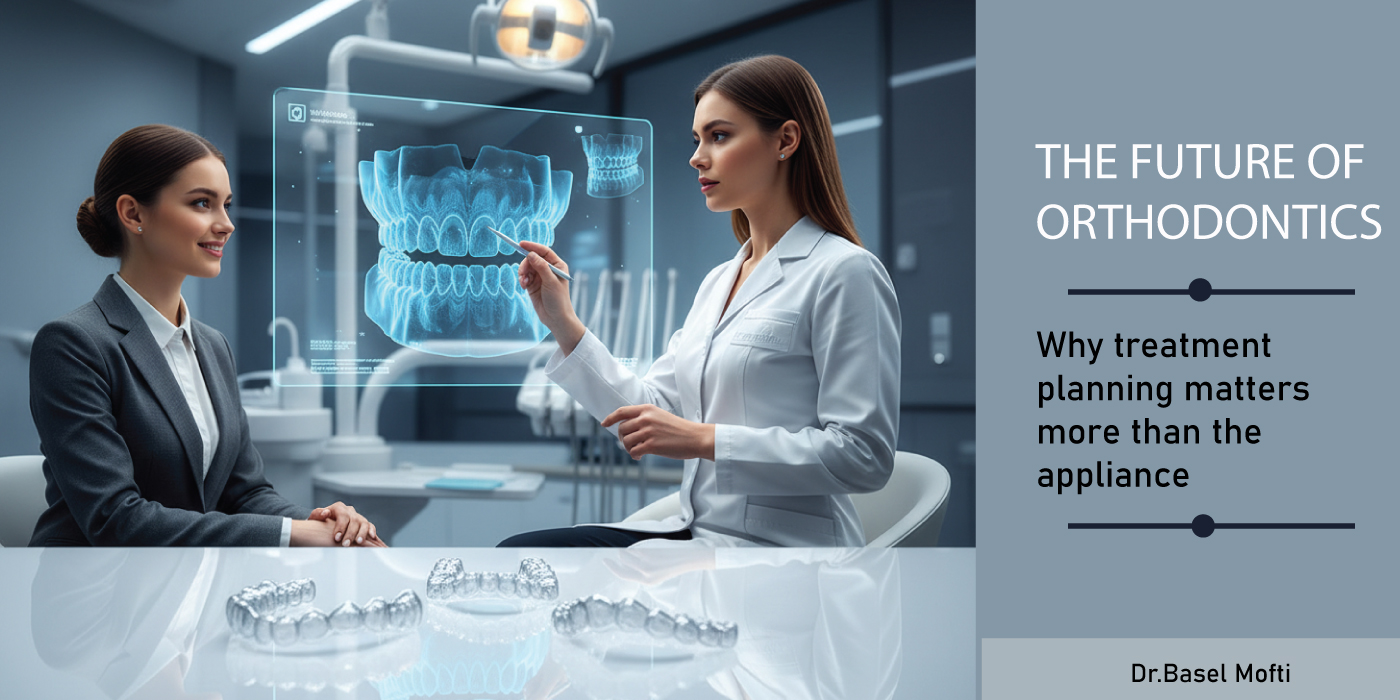
Why treatment planning matters more than the appliance
One of the biggest misunderstandings in orthodontics is the belief that aligners alone create results. Invisalign is a powerful system, but even the most advanced aligner platform depends on the quality of the plan behind it. If planning is weak, results may be compromised. If planning is precise, outcomes can be dramatically improved.
A well-designed orthodontic treatment plan considers far more than tooth alignment. It looks at:
- Bite function, including how upper and lower teeth meet during chewing and speaking.
- Facial aesthetics, including profile balance, smile arc, and lip support.
- Biomechanics, or the science of how teeth move through bone under controlled force.
- Long-term retention, which affects how stable the result remains after active treatment.
- Patient-specific goals, whether the priority is discretion, speed, complexity, or overall smile transformation.
This is where expertise becomes visible. Two patients may both receive clear aligners, yet their treatment journeys can be completely different. One may need careful staging of tooth movements to avoid unwanted side effects. Another may require attachments, refinements, interproximal reduction, or multidisciplinary planning to reach a predictable result. The aligner is the delivery system. The treatment plan is the strategy.
That is why more people are beginning to understand that finding the right orthodontist matters more than simply choosing a treatment brand. The conversation is no longer “Should I get braces or Invisalign?” It is increasingly “Who is planning my case, and how carefully is it being designed?”
The rise of digital precision in Invisalign treatment
Digital treatment planning has especially transformed the way Invisalign is understood and delivered. Clear aligner therapy was once associated mainly with mild cosmetic corrections. Today, it is being used in a much broader range of cases because planning systems have become more sophisticated and clinicians have become more experienced in using them.
Modern digital planning allows orthodontists to visualize tooth movement in stages, evaluate force application, and build treatment sequences that better reflect the biological realities of movement. This matters because successful orthodontics is not just about where the teeth should end up. It is also about how they get there.
When done well, digital planning can help improve:
- Predictability, by reducing unnecessary trial and error.
- Efficiency, by sequencing movements more strategically.
- Patient communication, through clearer visual explanations of treatment goals.
- Refinement quality, by identifying where adjustments may be needed.
- Outcome balance, so aesthetics and function develop together rather than separately.
This evolution has helped make Invisalign more than a cosmetic convenience. In the hands of an experienced clinician, it can be part of a comprehensive orthodontic solution that prioritizes both appearance and oral health.
Aesthetics and function are no longer separate goals
A major trend in orthodontics is the growing understanding that smile aesthetics and bite function should not be treated as competing priorities. Patients want straighter teeth, but they also want harmony, comfort, and results that feel natural in everyday life.
Years ago, some discussions around orthodontics placed cosmetic improvement and functional correction in separate categories. That distinction is becoming less useful. In modern treatment planning, aesthetics and function are deeply connected.
A beautiful smile that lacks proper bite support may not remain stable. A technically correct bite that ignores facial balance may not satisfy the patient. The best results come from integrating both perspectives. This means looking beyond alignment to consider how the smile fits the face, how teeth relate to the lips, how the bite supports jaw comfort, and how the final result will age over time.
This is one reason digital workflows have gained so much attention. They make it easier to assess multiple dimensions of treatment at once. Instead of focusing only on isolated tooth positions, orthodontists can plan in a broader visual and structural context. That helps create outcomes that are not only straighter, but more natural and more lasting.
The patient mindset is changing
Another reason this topic is so relevant now is that patients themselves are changing. Adult orthodontics is growing, and many patients are more informed than ever before. They research treatment options, compare providers, and pay close attention to reputation, credentials, and visible results.
Today’s patient is often looking for more than convenience. They want:
- A discreet solution, especially in professional and social settings.
- A personalized plan, rather than a one-size-fits-all process.
- Confidence in the provider’s expertise, not just the brand being offered.
- Clarity about long-term results, including retention and stability.
- A treatment experience that feels modern, efficient, and evidence-based.
This is why digital orthodontics has become such a strong discussion point. It speaks directly to both clinical progress and patient expectations. People want to know not only what treatment they are getting, but how thoughtfully it is being designed.
The role of expertise in a technology-driven era
As orthodontics becomes more technology-driven, one point becomes even clearer: advanced tools do not reduce the importance of expertise – they increase it. Technology gives more information, more options, and more planning power. But those advantages only matter when they are interpreted well.
In that sense, the future of orthodontics belongs to clinicians who can combine science, aesthetics, and digital precision into a coherent treatment philosophy. The orthodontists standing out today are not simply using newer devices. They are using digital systems to improve diagnosis, enhance personalization, and raise the quality of final outcomes.
That broader trend is reflected in how leading clinicians are being discussed publicly. A recent profile on UAE Stories highlights how Dr. Basel Mofti – Invisalign Dubai is associated with this shift toward precision-driven, digitally informed orthodontics, with emphasis on treatment planning, biomechanics, personalized smile design, and long-term outcomes. As the article suggests, modern orthodontic excellence is increasingly defined not by technology alone, but by how effectively it is used within expert clinical judgment.
What defines top orthodontic care today
The idea of a Best Orthodontist Dubai is often discussed in marketing language, but in practical terms, top-tier orthodontic care usually comes down to several consistent qualities.
Diagnostic depth
Strong treatment begins with a full understanding of the case. That includes not only visible alignment concerns, but bite mechanics, facial proportions, tissue support, and long-term stability risks.
Personalized digital planning
No two smiles move the same way. The best outcomes depend on patient-specific planning rather than templated aligner sequencing.
Biomechanical understanding
Tooth movement is biological, not just digital. Good planning requires knowing what is realistic, efficient, and stable.
Aesthetic judgment
A straight smile is not always a balanced smile. High-level orthodontics requires an eye for symmetry, proportion, and facial harmony.
Long-term thinking
Short-term cosmetic gain should not compromise lasting oral health. Retention, function, and stability should be part of the treatment conversation from the beginning.
These are exactly the themes that continue to shape modern orthodontic discussions worldwide. They are also the reason patients are paying closer attention to who provides the treatment, not only what product is being used.
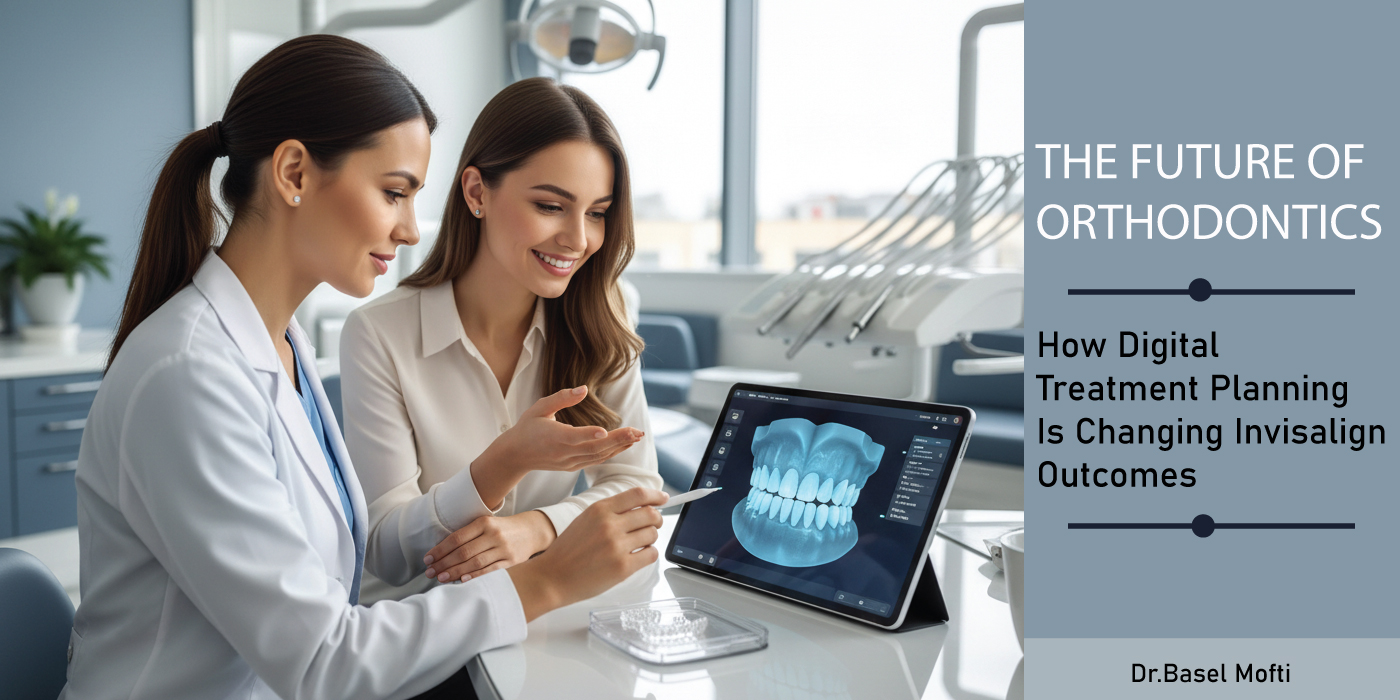
Patient Education and Long-Term Orthodontic Success
Patient education is becoming an essential part of modern orthodontic care, especially as treatments become more digital, personalised, and lifestyle-focused. A successful smile transformation does not depend only on advanced scans, aligners, braces, or treatment planning. It also depends on how well patients understand their own role during and after treatment.
Many orthodontic treatments require daily cooperation. Clear aligners must be worn for the recommended hours, braces need careful cleaning, and retainers must be used correctly after active treatment ends. When patients understand why these steps matter, they are more likely to stay consistent and avoid delays, discomfort, or relapse.
In Dubai, where many patients have busy routines, travel frequently, or prefer discreet treatment options, clear communication can make orthodontic care easier to follow. Explaining treatment stages, expected sensations, oral hygiene habits, food restrictions, appointment schedules, and retention plans can help patients feel more confident throughout the process.
Digital tools can also support better education. Progress photos, visual simulations, reminder apps, and short educational videos can make information easier to understand and remember. Instead of feeling passive, patients become active partners in their treatment journey.
The future of orthodontic success will rely on more than clinical technology. It will also depend on informed patients who understand their responsibilities, follow instructions carefully, and protect their results long after treatment is complete.
Invisalign for More Advanced Orthodontic Cases
Invisalign is no longer viewed only as a solution for mild spacing or simple alignment concerns. With improved planning systems, better attachment design, and more precise tooth movement strategies, clear aligners are now being considered for increasingly complex orthodontic cases. This includes crowding, bite correction, rotations, and cases that previously may have relied mainly on fixed braces.
For patients, this shift means more people may have access to a discreet and removable treatment option without compromising clinical goals. However, complex Invisalign treatment still requires careful diagnosis and expert supervision. The aligners themselves do not create successful outcomes alone; the treatment plan, case selection, and monitoring process are what determine whether the result is stable, functional, and aesthetically balanced.
Digital Scanning as the New Standard in Orthodontics
Digital scans are changing the way orthodontic treatment begins. Instead of relying on traditional dental impressions, many clinics now use intraoral scanners to capture accurate 3D images of the teeth and bite. This makes the process faster, cleaner, and more comfortable for patients, especially those who dislike impression trays.
Beyond comfort, digital scans help orthodontists plan treatment with greater detail. They allow better visualisation of tooth positions, bite relationships, and potential movement pathways. Patients can also see their dental condition more clearly, making consultations more interactive and easier to understand. As digital scanning becomes more common, it is helping orthodontic care become more precise, efficient, and patient-friendly from the very first appointment.
The Rise of Aesthetic Orthodontics for Adults
More adults are choosing orthodontic treatment because they want solutions that fit their professional and social lives. Aesthetic options such as clear aligners and ceramic braces make it easier for adults to improve their smiles without feeling self-conscious during treatment. This has helped orthodontics become more acceptable for people who may have delayed care for years.
Adult patients often have different priorities from teenagers. They may be concerned about appearance, treatment time, comfort, speech, work meetings, and long-term value. Because of this, adult orthodontics requires a personalised approach that balances cosmetic goals with healthy bite function. The growing demand shows that orthodontic care is no longer limited to younger patients; it is now part of modern adult self-care and confidence.
Retention as the Key to Lasting Orthodontic Results
Completing orthodontic treatment is only one part of achieving a successful smile. Retention is what helps protect the results after teeth have moved into their new positions. Without proper retainer use, teeth can gradually shift back, which may affect alignment, bite comfort, and overall smile appearance.
Long-term stability depends on clear instructions, consistent retainer wear, and regular follow-up when needed. Patients should understand that retention is not optional; it is a normal and necessary part of orthodontic care. Whether treatment involved braces or Invisalign, the final result must be maintained over time. As more patients invest in advanced orthodontic treatment, retention planning is becoming just as important as the active treatment phase itself.
Personalized Orthodontics Over One-Size-Fits-All Treatment
Modern orthodontics is moving away from generic treatment plans and toward highly personalised care. Every patient has different tooth positions, facial proportions, bite patterns, lifestyle needs, and smile goals. Because of this, the same appliance or method will not produce the same result for everyone.
Personalised orthodontic treatment focuses on building a plan around the individual rather than forcing the patient into a standard protocol. This may include choosing between braces and aligners, adjusting movement sequences, planning around facial aesthetics, or adapting treatment to oral health conditions. Patients benefit from care that feels more relevant, realistic, and predictable. In the future, successful orthodontics will increasingly depend on how well treatment is customised to each patient’s clinical needs and personal expectations.
Expert Clinical Judgment in a Technology-Led Era
Technology has become a powerful part of orthodontics, but it cannot replace professional judgment. Digital scans, planning software, artificial intelligence, and treatment simulations can provide valuable information, yet they still require an experienced orthodontist to interpret the data and make the right decisions.
Clinical judgment is especially important when planning tooth movement, managing bite correction, identifying risks, and deciding whether a digital simulation is realistic. Technology can support the process, but the orthodontist determines how the tools should be used for each case. This balance between innovation and expertise is what creates safer, more predictable outcomes. As orthodontics becomes more advanced, the role of the clinician becomes even more important, not less.
The future of orthodontics – FAQ’s
Orthodontics is becoming more digital, personalised, and patient-friendly. Technologies such as 3D scanning, digital treatment planning, clear aligners, remote monitoring, and AI-assisted workflows are helping orthodontists plan treatment more accurately and monitor progress more efficiently.
Yes. Braces will continue to play an important role, especially for complex tooth movements and certain bite corrections. However, braces are becoming more advanced, with smaller brackets, improved wires, customised systems, and more aesthetic options.
Clear aligners are a major part of the future because they are removable, discreet, and convenient for many patients. They are especially popular with teens and adults. However, they are not suitable for every case, so an orthodontist must decide whether aligners or braces are the better option.
AI may help orthodontists by supporting diagnosis, treatment planning, progress tracking, and outcome prediction. For example, AI-assisted software can compare scans or photos over time and highlight whether teeth are moving as expected. The orthodontist still makes the clinical decisions.
In many cases, treatment may become more efficient, but not always dramatically faster. Tooth movement still depends on biology, bone response, patient cooperation, and case complexity. Digital planning and better monitoring can help reduce delays and unnecessary adjustments.
Some parts of treatment can be monitored remotely using photos, apps, or digital scans. This can reduce unnecessary visits and make treatment more convenient. However, in-person appointments remain essential for diagnosis, clinical checks, appliance adjustments, and managing complications.
Yes. Future orthodontic care will likely become more customised to each patient’s teeth, bite, facial profile, and goals. Digital scans, 3D imaging, customised brackets, personalised aligner plans, and data-driven treatment reviews can all help create more tailored results.
For patients, the future of orthodontics should mean more comfort, better aesthetics, improved convenience, and more predictable care. The best results will still come from combining modern technology with skilled orthodontic diagnosis, careful planning, and good patient cooperation.
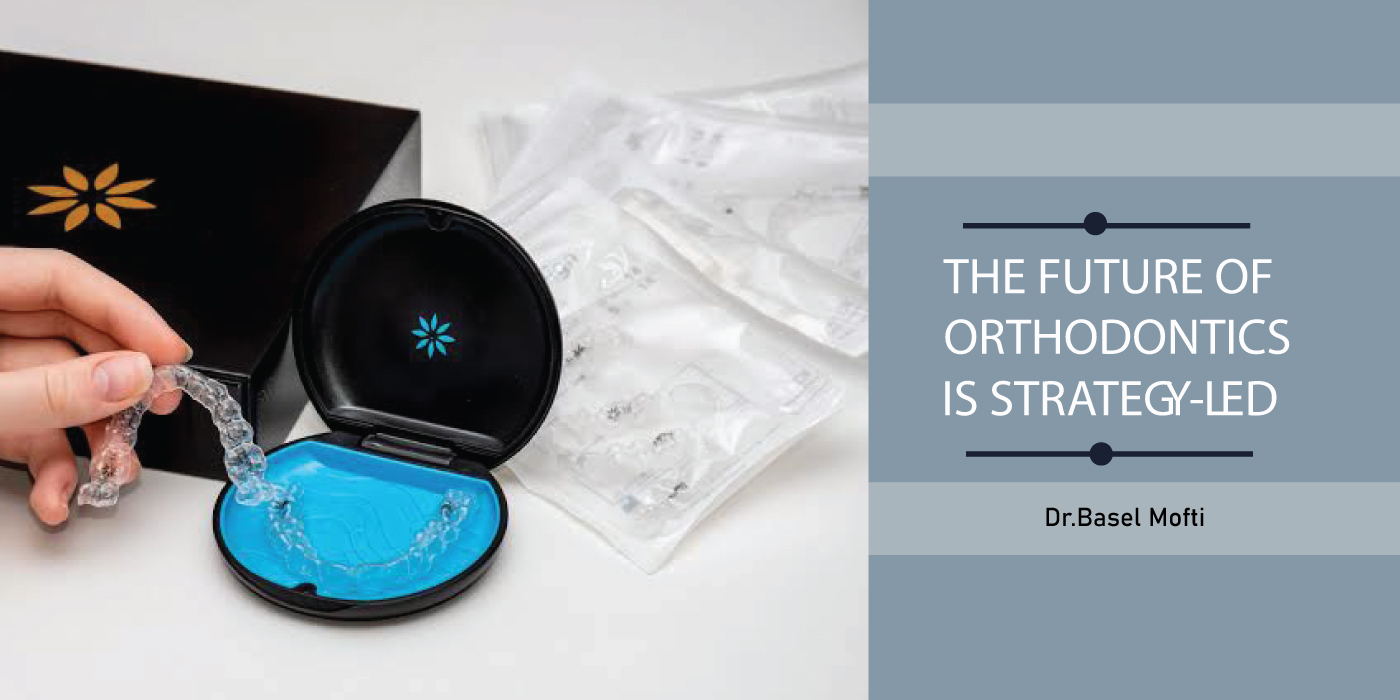
The future of orthodontics is strategy-led
The next era of orthodontics will not be defined only by better appliances. It will be defined by better planning. That means more accurate diagnosis, more intelligent sequencing, deeper personalization, and a stronger integration of aesthetics with function.
Invisalign will remain a major part of that conversation, but the real story is bigger than clear aligners. It is about how orthodontics is evolving into a discipline where digital tools, clinical experience, and patient-centered design all work together. As this evolution continues, the most trusted names in the field will be those who understand that technology is only as effective as the strategy guiding it.
For patients, that is an encouraging shift. It means orthodontic treatment is becoming more refined, more predictable, and more tailored to individual needs. For providers, it raises the standard. And for the industry as a whole, it signals a future where successful smile transformation depends not on choosing the most visible appliance, but on choosing the most thoughtful plan.
In the end, that may be the most important orthodontic trend of all: the move from appliance-led treatment to precision-led care.