
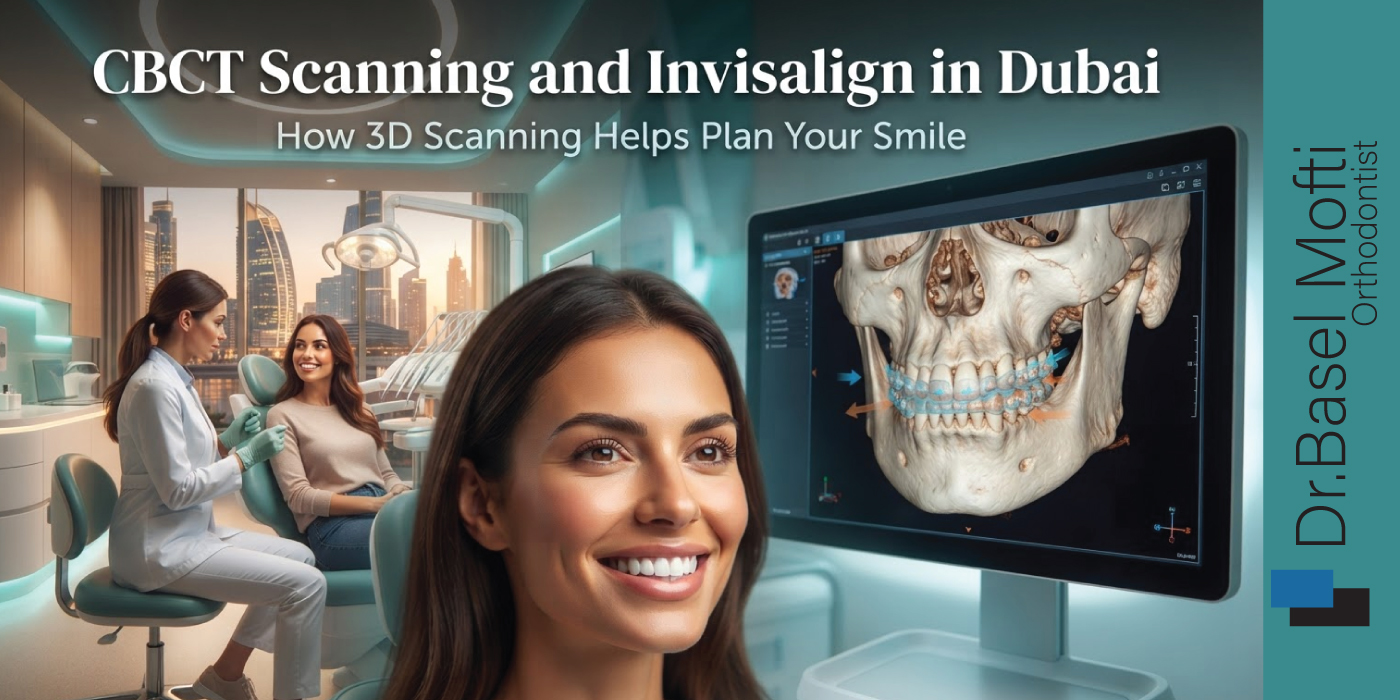
CBCT Scanning and Invisalign: How 3D Scanning Helps Plan Your Smile
Achieving a straight, healthy, and aesthetic smile has undergone a revolutionary shift over the past decade. Traditional orthodontics, characterized by metal brackets, tightening wires, and messy alginate putty impressions, is rapidly becoming a memory of the past. In modern dental centers across Dubai, digital dentistry is setting new standards for precision, efficiency, and patient comfort.
At the forefront of this digital transformation are two complementary technologies: Cone Beam Computed Tomography (CBCT scanning) and Invisalign clear aligners.
While clear aligner therapy has made orthodontic treatment discreet and comfortable, CBCT 3D scanning provides the deep, three-dimensional architectural insight necessary to plan complex tooth movements safely and effectively. In a region known for adopting state-of-the-art medical technology, understanding how CBCT scanning and Invisalign work together gives patients in Dubai a distinct advantage when embarking on their smile transformation journey.
Understanding Invisalign Clear Aligners
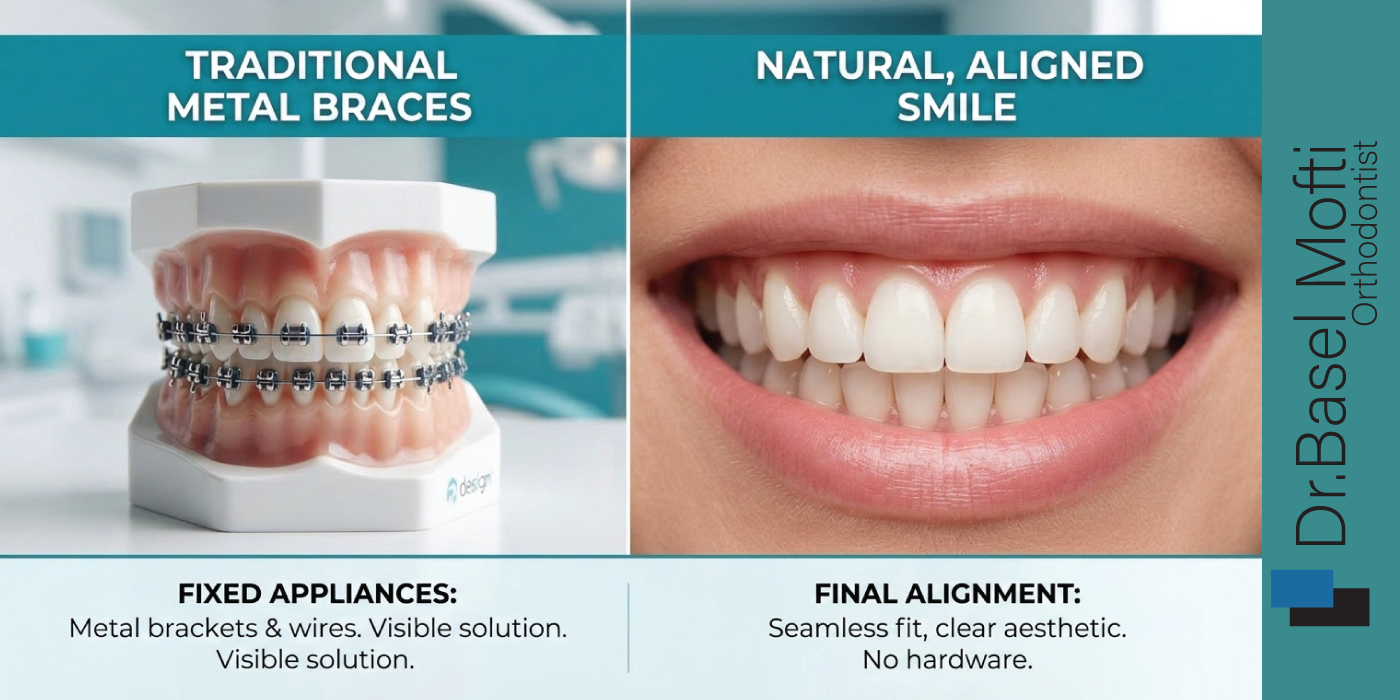
Invisalign is an advanced orthodontic treatment system designed to align teeth using a series of custom-manufactured, clear, removable thermoplastic trays (aligners). Unlike fixed metal or ceramic braces, Invisalign aligners apply gradual, controlled forces to specific teeth at targeted intervals.
How Invisalign Moves Teeth
Every aligner in your custom series is engineered using advanced computer-aided design and manufacturing (CAD/CAM). Each tray moves designated teeth by a fraction of a millimeter. Patients wear each set for 20 to 22 hours per day, transitioning to the next set in the series every 7 to 14 days, as directed by their orthodontist.
Benefits of Invisalign in Dubai
- Discreet Aesthetics: Aligners are virtually invisible, making them ideal for professionals, public figures, and students who want to straighten their teeth without changing their appearance.
- Uncompromised Hygiene: Because aligners are removable, brushing and flossing remain straightforward, drastically reducing the risk of plaque accumulation, white spot lesions, or localized gingivitis.
- Dietary Freedom: You can remove your aligners before eating or drinking, allowing you to enjoy your favorite meals without worrying about broken brackets or bent wires.
- Predictable Results: Treatment planning utilizes 3D visualization software (ClinCheck®), allowing patients to view their expected final smile outcome before treatment even begins.
What is CBCT Scanning?
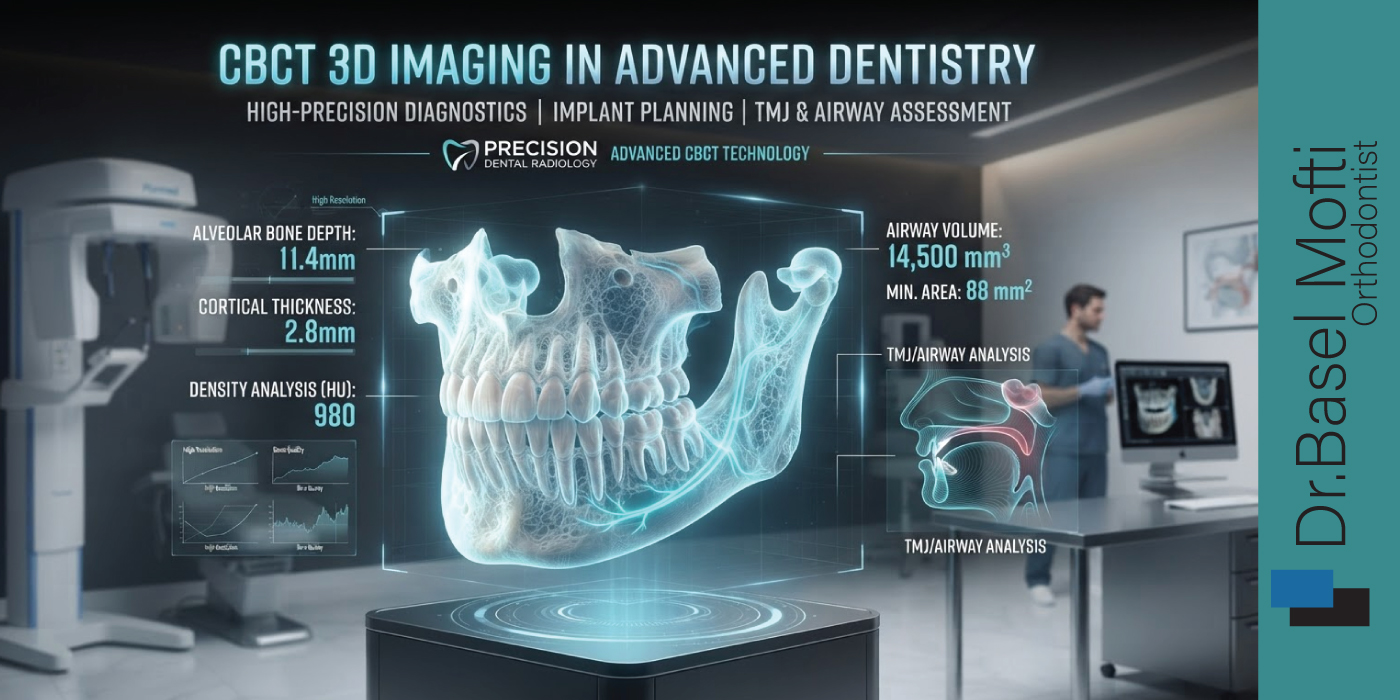
Cone Beam Computed Tomography (CBCT) is a specialized type of X-ray equipment used when standard dental or facial X-rays are insufficient. It utilizes a cone-shaped X-ray beam to capture high-resolution, three-dimensional images of dental structures, soft tissues, nerve pathways, and bone morphology in a single scan.
How CBCT Differs from Traditional 2D X-Rays
For decades, dentists relied on 2D intraoral bitewings and panoramic radiographies (OPGs). While useful for screening, 2D images suffer from distortion, magnification errors, and overlapping anatomy. A 2D image shows height and width, but completely lacks depth.
CBCT scanning captures data across all three spatial dimensions ($X$, $Y$, and $Z$ axes), producing volumetric datasets built from microscopic 3D pixels known as voxels.
Diagnostic Parameter | Traditional 2D Panoramic (OPG) | 3D CBCT Scanning |
Dimensions Captured | 2D ($X$ and $Y$ axes only) | 3D ($X$, $Y$, and $Z$ axes) |
Anatomical Overlap | High (Structures obscure each other) | Zero (Slice-by-slice inspection) |
Bone Density Assessment | Qualitative / Estimation | Quantitative / Precise Voxel Analysis |
Root Tip Positioning | Superimposed / Masked | 360-Degree Spatial Visualization |
Measurement Accuracy | Distorted (10–30% magnification error) | 1:1 Scale (Sub-millimeter precision) |
Radiation Safety and Ultra-Low Dose CBCT
A common question regarding 3D imaging is radiation exposure. Modern CBCT scanners installed in Dubai clinics utilize pulsed radiation technology, exposing the patient to X-rays only during active image capture rather than continuous rotation.
Furthermore, targeted Field of View (FOV) settings allow the doctor to restrict radiation exposure strictly to the upper and lower jaws, keeping dosage extremely low—often comparable to just a few days of normal background environmental radiation.
The Role of CBCT Scanning in Invisalign Planning
While intraoral optical scanners (such as the iTero® scanner) capture highly accurate 3D surface impressions of the visible crowns of your teeth, they cannot see what lies beneath the gums. An intraoral scanner sees only the enamel; a CBCT scan reveals the entire tooth organ, including the roots, the surrounding bone, and nearby vital structures.
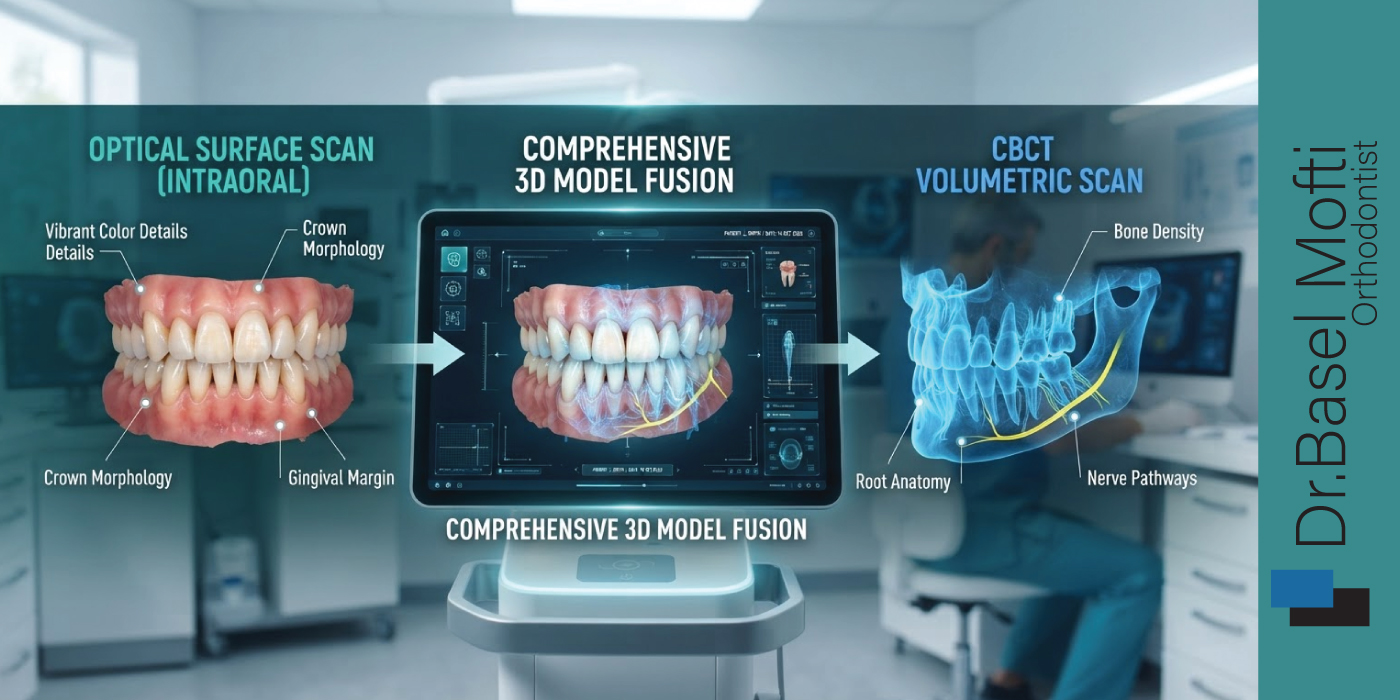
Integrating CBCT Scanning in Dubai with Invisalign Dubai protocols allows clinicians to create a fully integrated 3D digital patient model.
Mapping the Alveolar Bone Boundaries
Teeth are not embedded in concrete; they reside within a thin layer of living alveolar bone. If a tooth is pushed beyond the outer border of this bone (the cortical plate), severe complications can occur, including:
- Dehiscence: A v-shaped defect where root surface becomes bare of bone.
- Fenestration: A “window” or hole created in the bone by an over-expanded root.
- Gingival Recession: Shrinking gum tissue due to loss of underlying bone support.
CBCT scanning allows your doctor to evaluate the exact thickness of your cortical bone before setting aligner movements in motion, ensuring teeth remain safely centered within their bony housing.
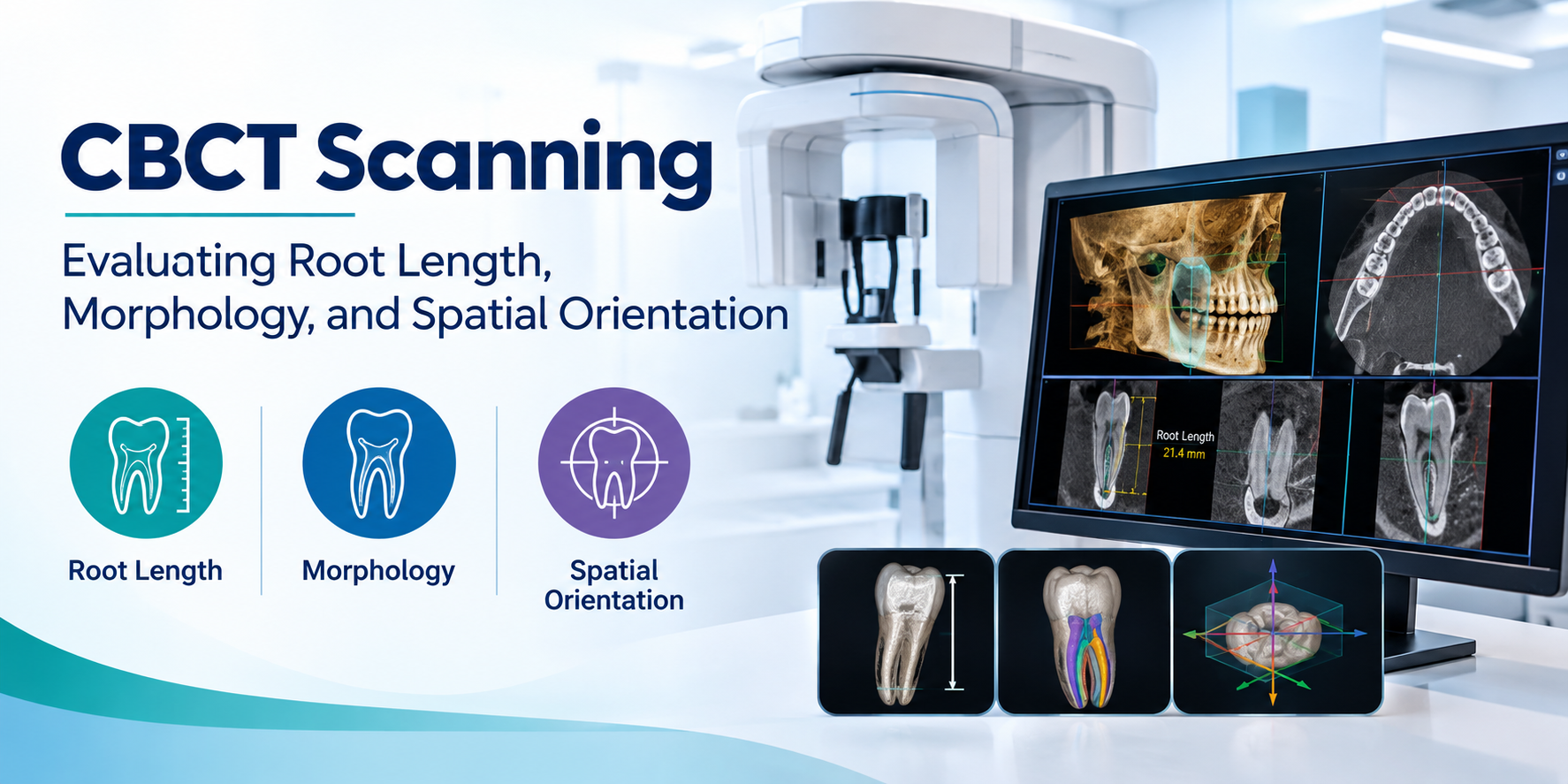
Evaluating Root Length, Morphology, and Spatial Orientation
The visible crown of a tooth represents only about one-third of its total length; the remaining two-thirds consists of the root embedded in the jawbone.
CBCT scans reveal unique root anatomies, such as dilaceration (severe bends in the root) or ankylosis (fusion of the root to the surrounding bone). Identifying these traits beforehand prevents attempting impossible tooth movements that could trigger root resorption (shortening and damage to the tooth root).
Managing Impacted and Supernumerary Teeth
In complex cases involving crowded arch forms, patients may have hidden impacted teeth (such as canine teeth stuck in the palate) or extra teeth (supernumerary teeth). CBCT scans allow the treating orthodontist to pinpoint their exact spatial coordinates relative to adjacent roots, permitting safe navigational planning.
Airway Mechanics and TMJ Analysis
Orthodontics is not limited to aligning teeth; it impacts facial structure, breathing, and jaw joint health. CBCT datasets allow practitioners to analyze the Temporomandibular Joints (TMJ) for signs of condylar wear or arthritis, while simultaneously mapping upper airway volumes to evaluate potential sleep-disordered breathing issues like obstructive sleep apnea (OSA).
Step-by-Step Patient Journey: CBCT & Invisalign in Dubai
When you schedule a consultation for Invisalign in Dubai at a modern, digitally equipped dental center, your treatment path follows a streamlined diagnostic workflow.
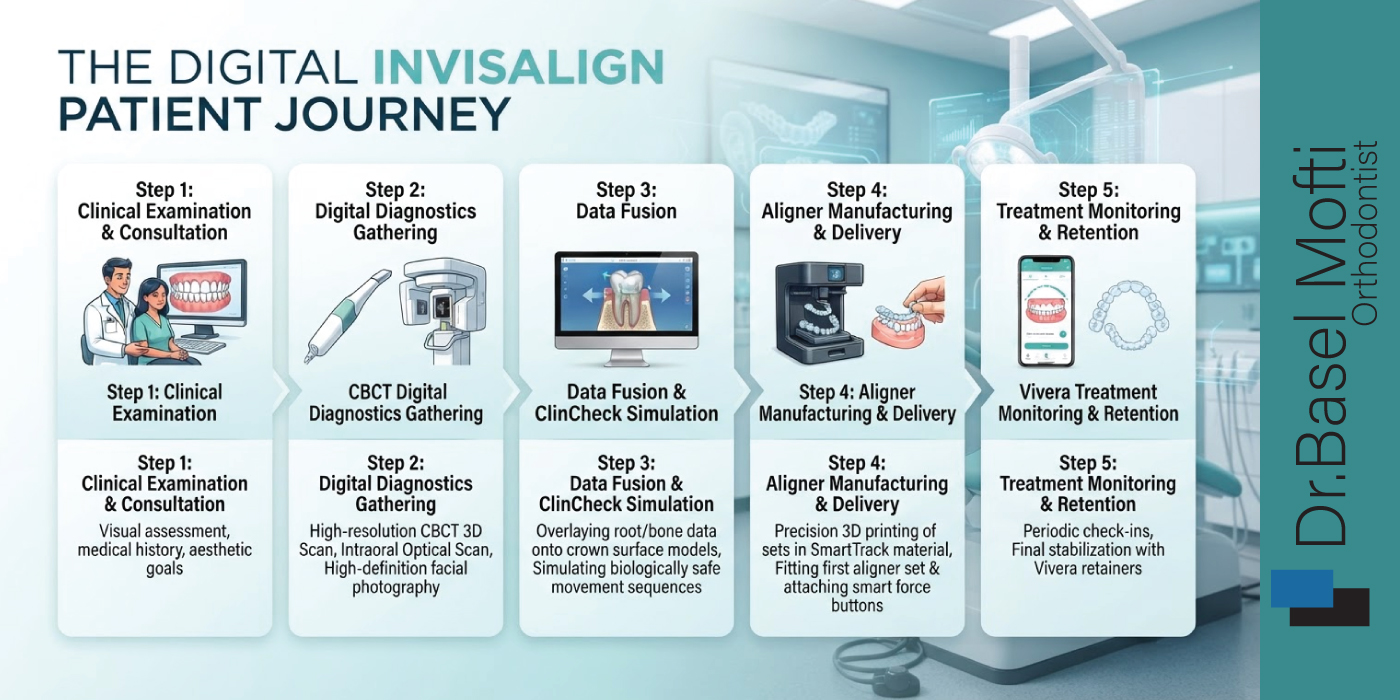
Step 1: Comprehensive Initial Consultation
Your doctor reviews your medical history, discusses your primary smile concerns, and performs a thorough clinical examination of your teeth, gums, and bite structure.
Step 2: High-Definition Diagnostic Capture
Instead of traditional tray impressions, your clinical team collects digital diagnostics:
- CBCT 3D Volumetric Scan: Captures jawbone density, root orientation, and joint health in under 20 seconds.
- Intraoral Optical Scan: A small wand glides over your teeth to capture thousands of color images per second, creating a 3D digital model of your teeth and gums.
- Extraoral Facial Photography: High-resolution studio photographs capture your face at rest and full smile to evaluate facial symmetry.
Step 3: Data Fusion & Advanced ClinCheck® Software Integration
The DICOM files (3D radiological data from the CBCT) are merged with the STL files (surface data from the intraoral scanner). Using specialized treatment-planning software, your orthodontist designs your complete tooth movement sequence step by step.
Because the real roots and bone are visible on screen, your doctor can test various scenarios, ensuring that every planned movement is anatomically feasible and biologically safe.
Step 4: Aligner Delivery and Attachment Placement
Once you approve your digital treatment plan, your custom aligners are fabricated using medical-grade, BPA-free SmartTrack® material.
During your fitting appointment, your doctor may attach small, tooth-colored composite buttons (Invisalign attachments) to specific teeth. These attachments give aligners the leverage needed to perform complex movements like root torque or tooth rotation.
Step 5: Progress Monitoring and Retention
You will receive several sets of aligners to take home, changing them according to your custom schedule. Periodic check-ins occur every 6 to 10 weeks to ensure teeth are tracking as planned. Upon treatment completion, custom retainers (such as Vivera® retainers) are provided to maintain your new alignment long term.
Clinical Advantages of Combining CBCT with Invisalign
The integration of CBCT scanning into clear aligner planning provides distinct clinical advantages over standard, surface-only treatment design:
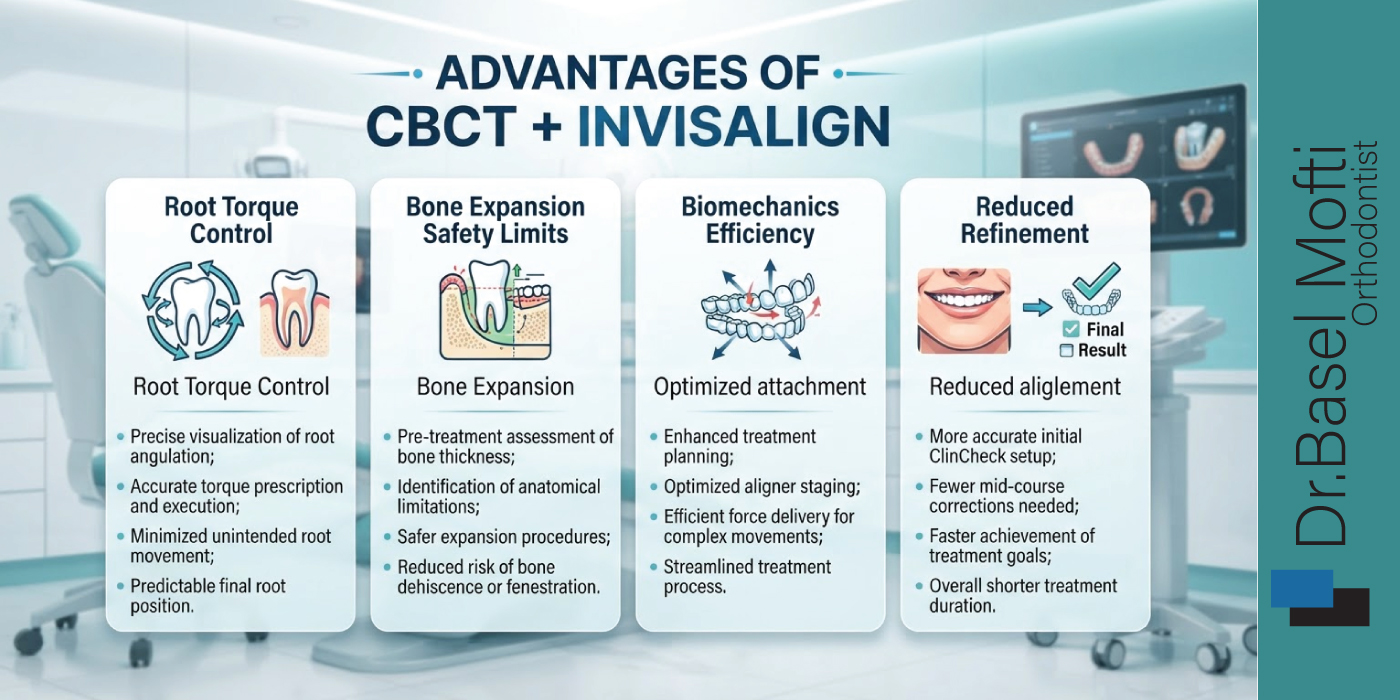
- Superior Root Torque Control
Moving a tooth crown is simple; moving the root tip embedded deep in jawbone requires precise torque management.
Without 3D imaging, orthodontists must rely on visual estimations of root positioning. CBCT scanning displays root angles down to fractions of a degree, preventing unwanted tipping and allowing true bodily movement of the tooth.
- Preventing Bone Loss and Gum Recession
Expanding narrow dental arches is a common goal in Invisalign treatment to correct crowding and broaden a smile.
However, over-expanding beyond the cortical bone plate can trigger irreversible bone loss and gum recession. CBCT scans mark the exact safety boundaries for expansion, ensuring your new smile is built on a stable anatomical foundation.
- Faster and More Efficient Treatment Pathways
When root-bone collisions are avoided during initial digital planning, teeth move smoothly according to schedule. Unplanned obstacles during treatment often require mid-course corrections, additional scans, and extra aligners (known as refinements), extending overall treatment time.
By identifying anatomical challenges up front, CBCT scanning minimizes delays and streamlines your journey to a finished smile.
- Safer Treatment for Adult Patients
Adult orthodontic patients frequently present with existing dental conditions such as localized bone loss, missing teeth, dental implants, root canal treatments, or worn jaw joints.
CBCT scanning provides the comprehensive diagnostic context required to plan clear aligner therapy safely around existing dental restorations and varying bone levels.
Why Dubai is a Premier Hub for Modern Digital Orthodontics
Dubai has established itself as a global leader in healthcare innovation and medical tourism, attracting patients from across the Middle East, Europe, and Asia.
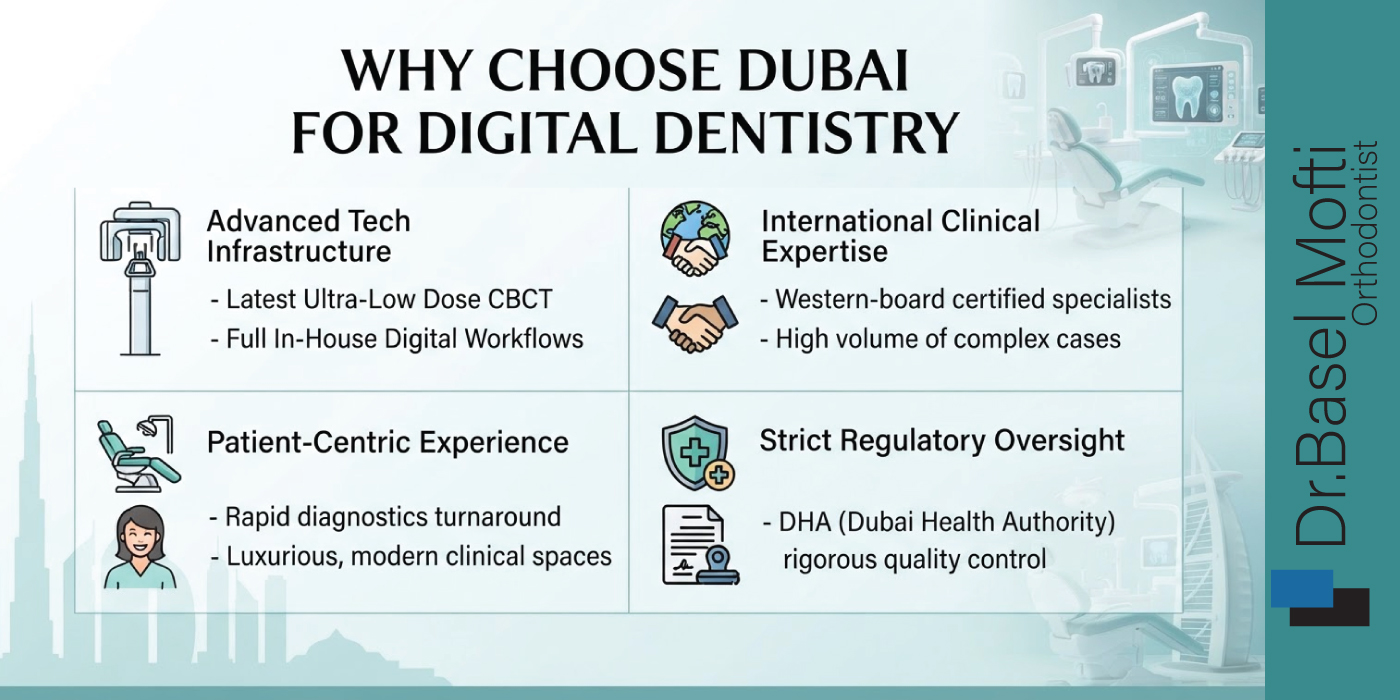
World-Class Technological Infrastructure
Dental facilities across Dubai invest continuously in top-tier diagnostic hardware and software. Patients in Dubai regularly have access to ultra-low-dose CBCT units, high-speed 3D intraoral scanners, and direct CAD/CAM production suites within a single clinic.
Highly Qualified Specialist Expertise
Practicing orthodontics in Dubai requires meeting rigorous licensing standards established by the Dubai Health Authority (DHA) and the Ministry of Health (MOH). Clinics attract internationally trained, board-certified orthodontists and specialist dentists experienced in managing complex 3D digital setups.
Streamlined, Patient-Centric Care
Recognizing the fast-paced lifestyle of Dubai residents and visiting international patients, digital clinics streamline the diagnostic phase. Obtaining a high-resolution CBCT scan, an intraoral digital impression, and a preliminary 3D smile preview can easily be completed within a single 45-minute visit.

Frequently Asked Questions (FAQ)
While basic Invisalign cases with mild alignment needs can sometimes be planned using intraoral optical scans and standard 2D dental X-rays, a CBCT scan is highly recommended for moderate-to-severe crowding, arch expansion, bite correction, or adult patients with prior bone loss. It gives your doctor complete visibility into root positions and bone boundaries, ensuring treatment is both safe and effective.
Modern CBCT machines used in Dubai clinics employ ultra-low-dose technology. A typical targeted dental CBCT scan delivers a radiation dose ranging between 10 to 50 microsieverts ($\mu\text{Sv}$). To put this in context, background environmental radiation accounts for roughly $2,400,\mu\text{Sv}$ per year, and a standard commercial flight from Dubai to London exposes passengers to approximately $30,\mu\text{Sv}$. The diagnostic benefits of a CBCT scan far outweigh the minimal radiation exposure involved.
Not at all. CBCT scanning is completely non-invasive, painless, and fast. You simply sit or stand still while the machine's C-arm rotates around your head. The scanning process typically takes between 8 to 20 seconds.
Invisalign treatment duration varies depending on case complexity, ranging from 3 to 6 months for simple alignment cases to 12 to 18 months for comprehensive orthodontic corrections. Utilizing CBCT scanning helps optimize treatment planning, reducing the likelihood of mid-treatment delays or unexpected root movements.
Yes. However, dental implants are fused to the jawbone (ankylosed) and cannot be moved by aligners. CBCT scanning is particularly valuable here because it provides exact 3D location data for implant fixtures, allowing your orthodontist to plan safe tooth movements around stationary implants. Teeth with single crowns can typically be moved without issue, while fixed dental bridges may require adjustment or temporary sectioning prior to treatment.
Treatment costs in Dubai vary based on the clinic, doctor expertise, and the complexity of your orthodontic needs:
- CBCT Scan (Dental/Jaw): Typically ranges from AED 500 to AED 1,800 depending on the Field of View (FOV).
- Invisalign Treatment: Usually ranges between AED 10,000 and AED 25,000 depending on whether you require Invisalign Express, Lite, or Comprehensive options.
Many dental centers offer flexible payment plans or structured installment options.
Clean your aligners daily by gently brushing them with a soft-bristled toothbrush and lukewarm water or using specialized aligner cleaning crystals. Avoid using hot water, as heat can deform the medical-grade thermoplastic material. Always store your aligners in their protective case when not in use.
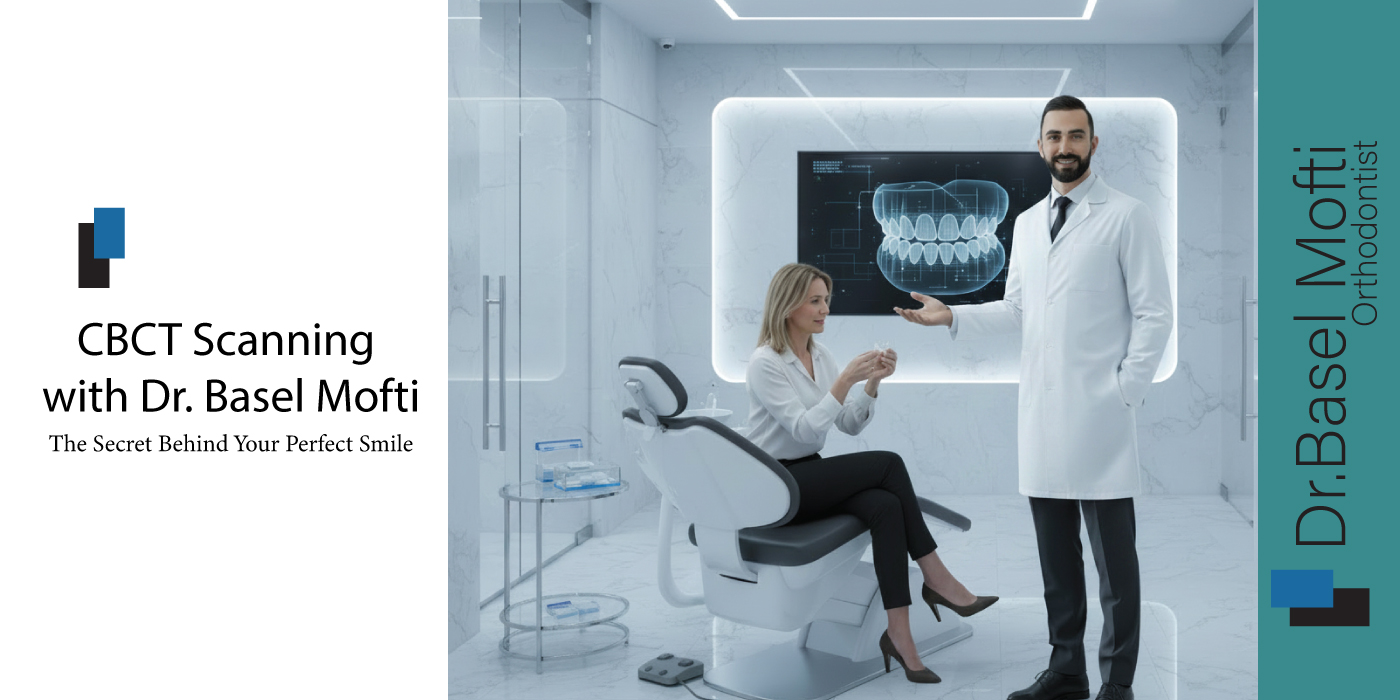
CBCT Scanning in Dubai with Dr. Basel Mofti: The Secret Behind Your Perfect Smile
Ever wondered how we plan a flawless smile transformation before we even start treatment?
Hi, I’m Dr. Basel Mofti, Orthodontist in Dubai and Invisalign Specialist. When it comes to designing your dream smile or planning complex orthodontic alignment, precision is everything. That’s where CBCT (Cone Beam Computed Tomography) scanning comes in—it is truly a game-changer for modern dentistry!
What Exactly Is a CBCT Scan?
Think of a CBCT scan as a super-advanced, 3D upgrade to traditional 2D X-rays. In less than 30 seconds, a low-dose cone-shaped beam sweeps around your head to capture thousands of high-resolution images. We instantly get a complete 3D digital model of your:
- Teeth and root structures
- Jawbone density and height
- Airway and nerve pathways
- Temporomandibular joints (TMJ)
It’s fast, completely painless, and gives us a 360-degree interactive view of your entire oral anatomy!
Why Is 3D Imaging Vital for Your Smile Journey?
Whether you are considering Invisalign clear aligners, braces, or dental implants, clarity leads to predictable results:
- Ultra-Precise Invisalign Planning: We can analyze root positions beneath the gums to move your teeth safely, efficiently, and predictably.
- Safer Implant Placement: Helps locate nerve pathways and evaluate bone volume with millimeter-precision.
- Airway & TMJ Analysis: Identifies underlying joint issues or narrow airways that could impact your sleep and overall health.
- Minimal Radiation: Emits up to 10 times less radiation than traditional medical CT scans while delivering superior clarity.
Ready to Transform Your Smile in Dubai?
Accurate diagnostics are the secret behind every confident smile. By pairing cutting-edge 3D CBCT technology with tailored orthodontic care, we ensure your treatment journey is smooth, comfortable, and efficient.
Curious about what’s happening beneath the surface of your smile? Let’s map out your journey together!
The Future of Precision Orthodontics
Achieving a healthy, attractive smile involves far more than just straightening visible enamel. The long-term stability and health of your teeth depend on maintaining proper relationships between tooth roots, surrounding bone, and jaw joint mechanics.
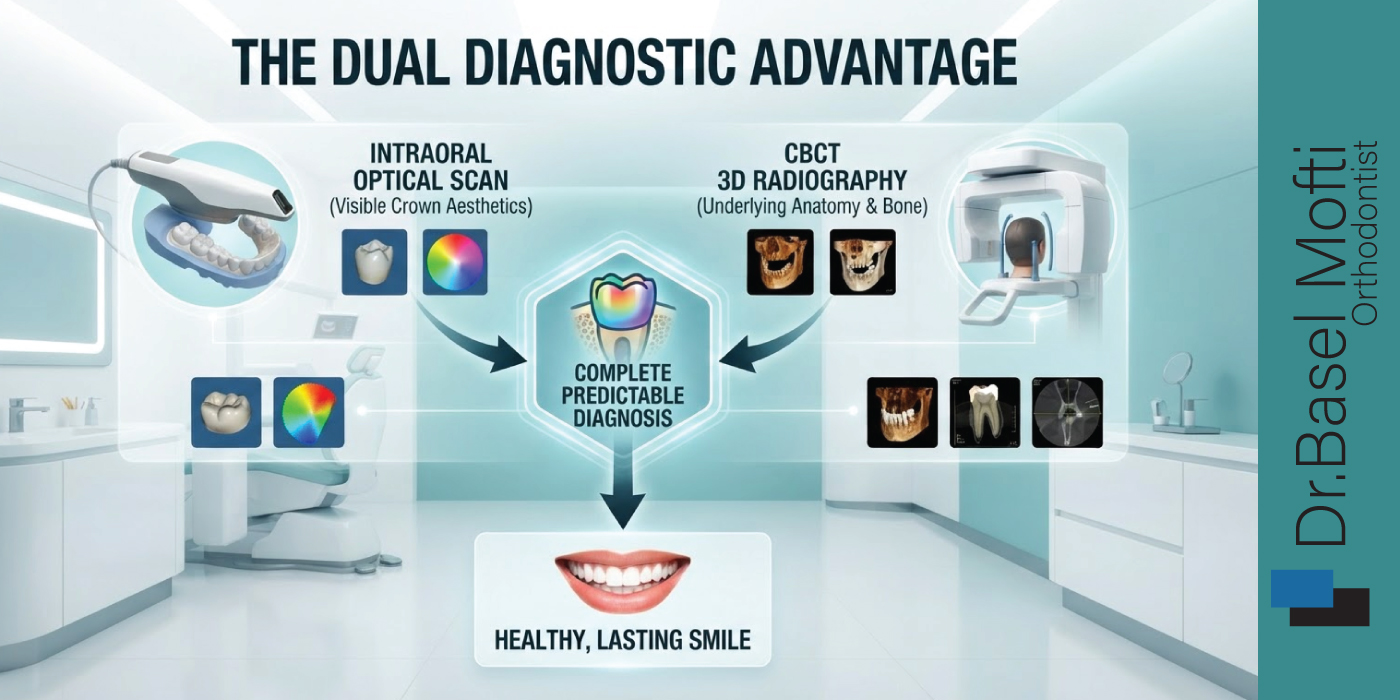
By combining the structural clarity of CBCT Scanning in Dubai with the aesthetic convenience of Invisalign Dubai, patients gain access to a truly modern approach to orthodontic care. Whether you are seeking subtle aesthetic tweaks or comprehensive bite alignment, choosing a digital clinic equipped with 3D scanning technology ensures your transformation is guided by anatomical precision every step of the way.