
Blog

Snoring Solutions: How Orthodontic Treatment Can Help You Sleep Better Without Surgery
Snoring is more than just a nighttime nuisance. It can disrupt your sleep, strain relationships, and signal underlying airway issues that affect your long-term health. If you or your partner are struggling with loud, chronic snoring, you are not alone. Millions of adults search for effective snoring solutions every year — and many are surprised to learn that orthodontics can offer a non-surgical, evidence-based approach to improving airflow and breathing during sleep.
At our Dubai orthodontic clinic, we regularly see patients who want comfortable, long-term snoring treatment options without relying on machines or invasive procedures. Let’s explore how orthodontics can help.
What Are the Common Causes of Snoring?
Understanding the causes of snoring is the first step toward finding the right solution. Snoring happens when airflow is partially blocked while you sleep, causing soft tissues to vibrate.
Airway Narrowing and Obstruction
When nasal passages or the throat become narrowed, airflow becomes turbulent. This is one of the most common reasons for chronic snoring.

Jaw Position and Snoring
Your jaw position plays a major role in airway space. A retruded (backward-positioned) lower jaw can reduce airway volume, especially when lying on your back. This makes breathing more difficult during sleep.
Tongue Collapse During Sleep
As muscles relax, the tongue may fall backward into the airway. Poor tongue posture combined with jaw alignment issues increases snoring risk.
Bite Problems and Dental Alignment
Crowded teeth, narrow arches, and improper bite alignment can restrict the oral airway space. This is where orthodontic assessment becomes highly valuable.
Sleep Apnea vs Snoring: What’s the Difference?
Not all snoring is the same. It’s important to understand the difference between simple snoring and sleep apnea.
Snoring
Snoring without breathing pauses is often related to airway resistance and vibration. While disruptive, it may not involve oxygen drops.
Obstructive Sleep Apnea (OSA)
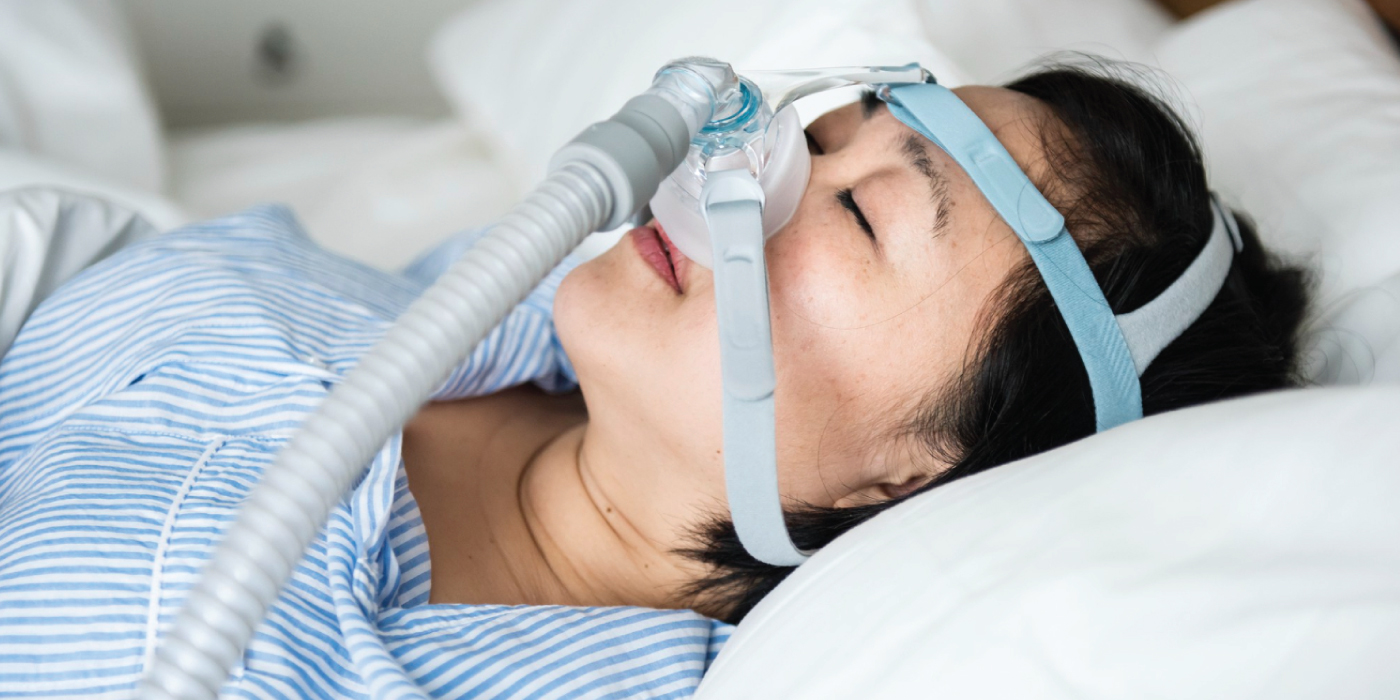
OSA is a medical condition where breathing repeatedly stops and starts during sleep. It requires diagnosis by a sleep physician and may involve CPAP therapy or medical intervention.
Important disclaimer: Orthodontic treatment does not replace medical sleep apnea therapy. However, orthodontics can support airway improvement in mild sleep-disordered breathing and snoring cases when properly indicated.

Traditional Snoring Solutions: What Are Your Options?
Many patients try multiple approaches before seeking orthodontic care.
✅ Lifestyle Adjustments
✅ Weight management
✅ Sleeping on your side
✅ Reducing alcohol intake
✅ Improving sleep posture
Over-the-Counter Sprays and Devices
Temporary relief products may reduce nasal congestion but rarely address jaw or airway structure.
CPAP Machines
Highly effective for sleep apnea, but many patients find them uncomfortable for long-term use.
ENT Surgical Options
Surgery may be recommended in select cases, but it is invasive and not always permanent.
This is why many patients now explore orthodontic-based snoring treatment in Dubai as a non-surgical alternative.
How Orthodontics Can Help With Snoring
Modern orthodontics focuses not just on straight teeth, but also on airway health and jaw function.
Improving Jaw Alignment and Airway Space
Correcting jaw position can increase airway volume and reduce collapse during sleep. Better alignment allows more natural breathing patterns.
Bite Correction and Tongue Posture
Orthodontic treatment can improve bite relationships, allowing the tongue to rest in a healthier forward position rather than falling backward.
Mandibular Advancement Appliances
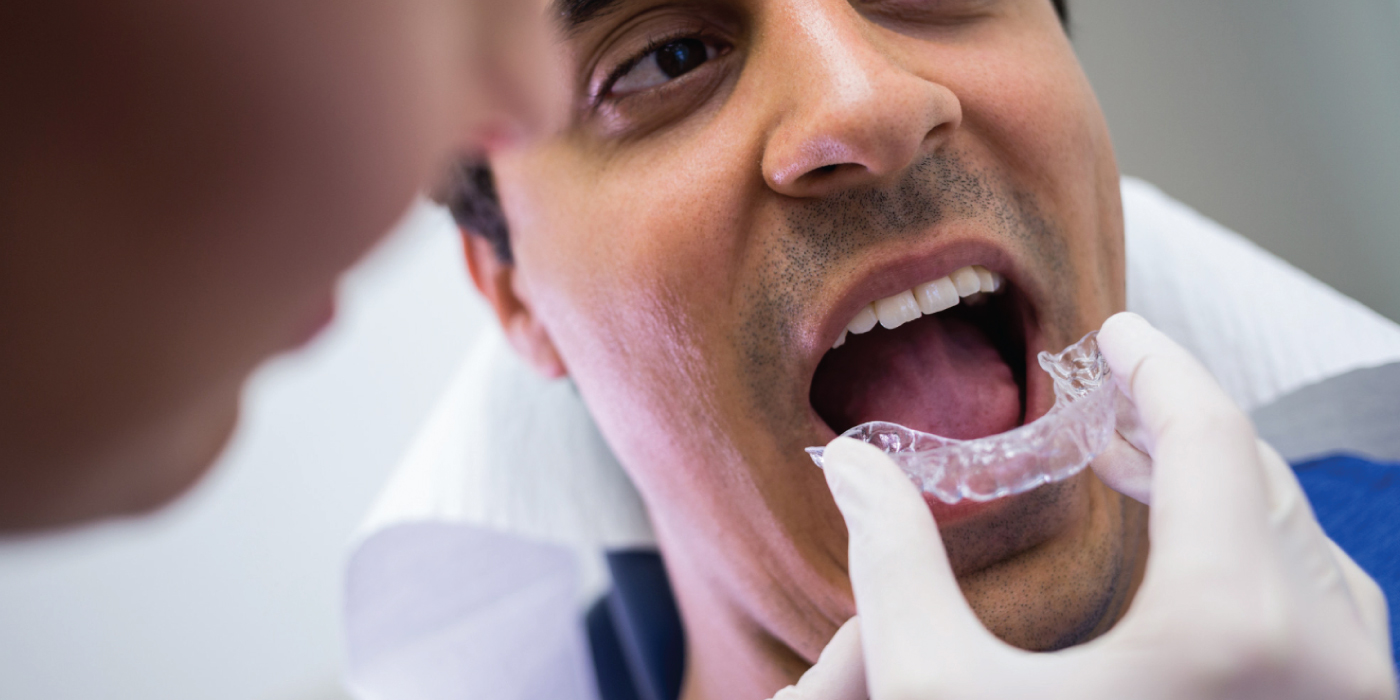
Custom oral appliances gently reposition the lower jaw forward during sleep. These devices are clinically proven to help many snoring patients and those with mild sleep-disordered breathing.
An experienced Dubai orthodontist will evaluate whether these appliances are appropriate based on your anatomy and symptoms.
Invisalign and Modern Orthodontics for Snoring
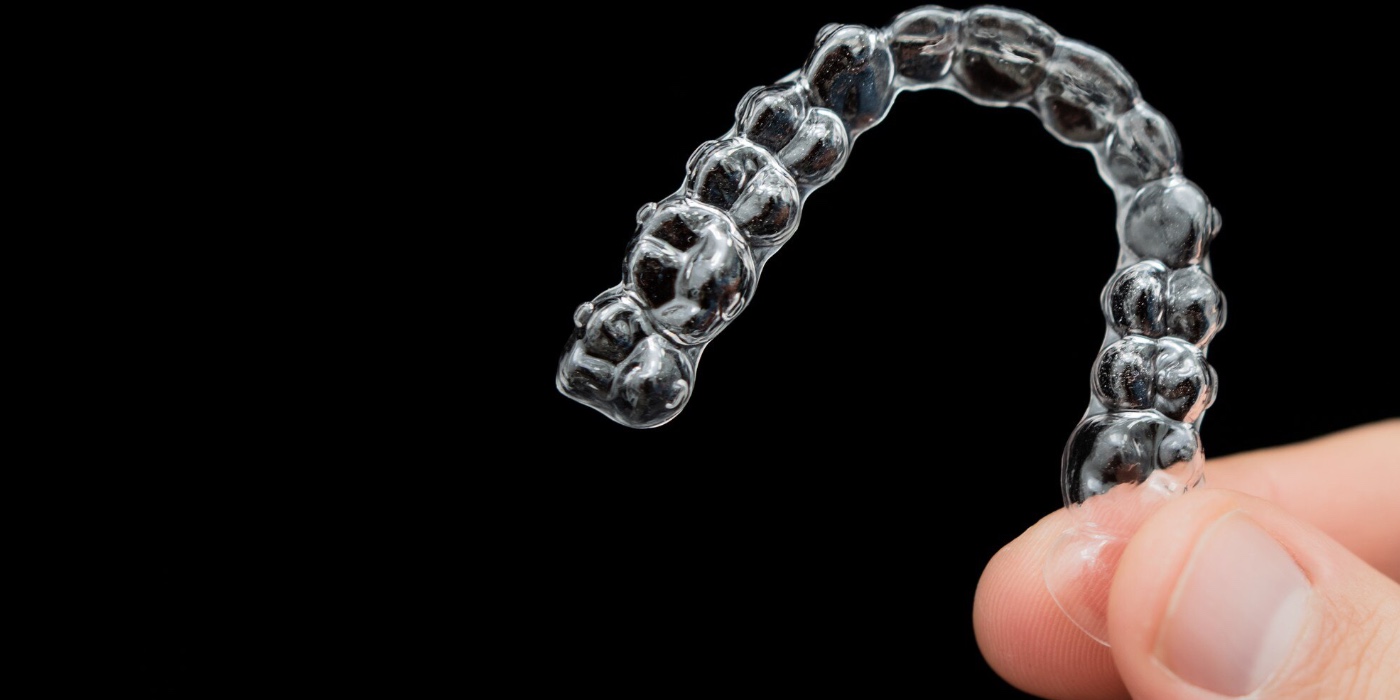
Many adults today are searching for non-surgical snoring solutions that are comfortable, discreet, and clinically effective. This is where modern orthodontics, including Invisalign, plays an important role. While Invisalign is widely known for straightening teeth, it can also contribute to improving airway space and breathing patterns in carefully selected patients.
Snoring often occurs when the airway becomes partially blocked during sleep. Factors such as poor jaw positioning, narrow dental arches, crowded teeth, and bite imbalances can reduce tongue space and restrict airflow. By addressing these structural issues, orthodontic treatment can help support better nighttime breathing and reduced snoring symptoms.
It is important to note that Invisalign is not a direct treatment for obstructive sleep apnea. However, for patients with mild snoring or early-stage sleep-disordered breathing, orthodontic correction can be part of a comprehensive, conservative approach.
Who Invisalign Can Help
Invisalign is most effective for patients whose snoring is linked to dental alignment and jaw-related factors. After a detailed orthodontic and airway assessment, Invisalign may benefit patients with the following conditions:
Narrow Dental Arches
A narrow upper or lower arch can limit the space available for the tongue and restrict airflow during sleep. Invisalign can help gradually expand the dental arch within safe biological limits, creating more room for the tongue to rest naturally and improving airway support.
This expansion may contribute to better breathing posture and reduced airway collapse during sleep.
Mild Jaw Alignment Issues
Even small jaw position imbalances can affect airway stability. Invisalign treatment can help improve bite alignment and jaw positioning, which may support a more open airway pathway.
Proper jaw alignment can also reduce backward tongue movement during sleep — a common contributor to snoring.
Bite-Related Airway Restrictions
Certain bite problems such as deep bites, crossbites, or narrow bites can influence how the jaw and tongue sit when lying down. Invisalign can help correct these bite relationships, improving oral posture and airway mechanics.
By optimizing bite balance, orthodontic treatment may help reduce pressure on the airway and encourage smoother airflow.
Teeth Crowding Affecting Tongue Space
Crowded teeth can push the tongue backward or limit its natural resting position. This can narrow the airway and increase vibration of soft tissues, which leads to snoring sounds.
Invisalign can help align crowded teeth and create better oral space, allowing the tongue to sit forward more comfortably. This improved positioning can help reduce airway obstruction during sleep.
A Personalized Approach Matters
Not every snoring patient is a candidate for Invisalign-based airway improvement. A comprehensive orthodontic assessment, including bite analysis and airway screening, is essential. In some cases, Invisalign may be combined with other treatments such as lifestyle modifications, sleep positioning advice, or referrals for sleep studies when necessary.
With proper case selection and expert orthodontic planning, Invisalign can be a modern, discreet, and patient-friendly option that supports both smile aesthetics and functional breathing improvement.
Who It May Not Be Suitable For
Invisalign alone may not be enough for patients with severe skeletal jaw discrepancies or moderate to severe sleep apnea.
That’s why a comprehensive orthodontic airway assessment is essential before recommending treatment.
Who Is a Good Candidate for Orthodontic Snoring Treatment?
You may benefit from orthodontic-based snoring solutions if you:
▶ Snore regularly without diagnosed severe sleep apnea
▶ Wake up feeling tired despite sleeping enough hours
▶ Have jaw alignment or bite problems
▶ Experience dry mouth or mouth breathing at night
▶ Want a non-surgical approach
During your consultation, your orthodontist will assess jaw position, bite alignment, airway space, and dental structure to determine suitability.
When Should You See a Sleep Physician or ENT Specialist?
Orthodontics works best as part of a multidisciplinary approach. You should be referred for medical evaluation if you experience:
▶ Loud snoring with breathing pauses
▶ Morning headaches
▶ Excessive daytime sleepiness
▶ High blood pressure linked to sleep issues
Collaboration between orthodontists, ENT specialists, and sleep physicians ensures safe and effective care.

What Happens During an Orthodontic Airway Assessment?
Patients often worry about discomfort or complicated testing. The process is simple and comfortable:
➤ Digital scans of teeth and bite
➤ Jaw and facial analysis
➤ Airway evaluation using imaging
➤ Sleep history discussion
➤ Personalized treatment planning
No surgery, no pain, and no pressure — just clear guidance based on clinical evaluation.
Why Choose a Specialist Dubai Orthodontist for Snoring Solutions?
Choosing an experienced Dubai orthodontist ensures:
➤ Accurate airway-focused diagnosis
➤ Evidence-based treatment planning
➤ Collaboration with medical professionals
➤ Customized appliance design
➤ Long-term oral and breathing health support.
Take the First Step Toward Better Sleep
If you are searching for effective snoring solutions in Dubai that do not rely on surgery, bulky CPAP machines, or temporary fixes, an orthodontic evaluation may be the right first step. Many cases of adult snoring are closely linked to jaw position, bite alignment, and airway space — areas where modern orthodontics plays a critical role.
Dubai is recognized as one of the leading global hubs for advanced orthodontic and dental care, offering access to world-class technology, digital treatment planning, and internationally trained specialists. Choosing the right orthodontist in Dubai ensures you receive evidence-based care focused on both functional breathing improvement and long-term oral health.
Expert Airway-Focused Orthodontic Care in Dubai
At Dr Basel Mofti’s Orthodontic Clinic in Dubai, patients receive comprehensive, airway-focused assessments that go beyond cosmetic alignment. Using advanced diagnostic tools, digital scans, and bite analysis, Dr Basel Mofti evaluates whether your snoring treatment may be connected to:
·Jaw positioning and bite imbalance
·Narrow dental arches
·Tongue space restriction
·Airway-related dental structure concerns
As a highly experienced orthodontist and Invisalign specialist, Dr Basel Mofti is widely recognized as one of the best orthodontists in Dubai, trusted by both local and international patients seeking advanced, non-surgical orthodontic solutions.
A Personalized Treatment Plan for Better Sleep
Every patient’s airway and bite structure is unique. That is why treatment at Dr Basel Mofti’s clinic is fully customized. If orthodontic treatment is suitable, your plan may include Invisalign aligners or other modern orthodontic techniques designed to improve oral alignment, jaw stability, and breathing support during sleep.
This personalized approach helps patients achieve not only a straighter smile but also improved airflow, better sleep quality, and enhanced overall wellbeing.

Frequently Asked Questions (FAQs)
Orthodontic treatment can significantly reduce or eliminate snoring in many patients when the underlying cause is related to jaw position, narrow dental arches, or airway restriction. By improving bite alignment and creating more space in the oral cavity and airway, orthodontic solutions may help improve airflow during sleep.
However, results vary from person to person. Snoring can have multiple causes such as nasal congestion, obesity, alcohol use, or sleep posture. If structural airway issues are the main factor, orthodontic treatment often provides long-term improvement. A professional evaluation is always required to determine suitability and expected outcomes.
Invisalign can be an effective option for snoring in select cases. Clear aligners can help reposition the teeth and jaws, improve bite alignment, and in some patients support better airway space. Certain orthodontic treatment plans may also incorporate attachments or bite adjustments that influence jaw positioning during sleep.
That said, Invisalign is not a universal snoring cure. Its effectiveness depends on individual anatomy, the severity of airway narrowing, and whether jaw alignment plays a role in the snoring problem. An orthodontic assessment is necessary to determine if Invisalign is the right approach for your specific condition.
Treatment duration varies depending on the complexity of the case and the type of orthodontic solution recommended. For mild alignment issues, treatment may take as little as 6 to 9 months. More complex cases involving jaw positioning or arch expansion may take 12 to 18 months or longer.
While improvements in breathing and snoring may be noticed earlier in treatment, full results typically occur once the bite and jaw alignment are fully stabilized. Your orthodontist will provide a personalised treatment timeline after a detailed consultation.
Modern orthodontic treatments are designed with patient comfort in mind. Clear aligners like Invisalign are smooth, removable, and custom-made for a precise fit. Traditional braces and functional appliances also use advanced materials that apply gentle, controlled forces to move teeth gradually.
Some mild pressure or tightness is normal at the beginning of treatment or after adjustments, but this usually subsides within a few days. Most patients adapt quickly and can continue normal daily activities without major disruption.
If your symptoms suggest possible sleep apnea—such as loud chronic snoring, breathing pauses during sleep, excessive daytime sleepiness, or morning headaches—a sleep study is strongly recommended before starting treatment. A sleep study helps determine whether the issue is simple snoring or a more serious sleep-disordered breathing condition.
For patients diagnosed with mild sleep apnea, orthodontic treatment may be part of a comprehensive management plan. In moderate to severe cases, orthodontic solutions may be combined with medical treatments such as CPAP therapy or other interventions for optimal results.
Adults who snore due to jaw misalignment, narrow dental arches, crowded teeth, or bite problems may benefit from orthodontic snoring treatment. Patients with mild airway narrowing or mild sleep-disordered breathing often respond well to orthodontic solutions.
However, not everyone is a suitable candidate. Snoring caused primarily by nasal obstruction, severe obesity, or advanced sleep apnea may require medical or ENT intervention alongside orthodontic care. A comprehensive clinical examination helps determine whether orthodontic treatment is appropriate for your case.
Orthodontic treatment may help improve symptoms in patients with mild obstructive sleep apnea, especially when airway restriction is related to jaw positioning or dental structure. By improving jaw alignment and increasing oral space, airflow during sleep may become more stable.
For moderate to severe sleep apnea, orthodontic treatment is usually part of a combined treatment approach that may include CPAP therapy, oral sleep appliances, or medical management. Proper diagnosis through a sleep study is essential before planning treatment.
Orthodontic treatment is generally safe when performed by a qualified specialist. Temporary side effects may include mild discomfort, pressure on teeth, or slight soreness during the adjustment period. These effects usually resolve within a few days.
Long-term risks are minimal when treatment is properly planned and monitored. Following your orthodontist’s instructions, wearing aligners as prescribed, and attending regular check-ups helps ensure safe and predictable outcomes.
Yes, retainers are an important part of maintaining your orthodontic results. After active treatment is completed, retainers help keep teeth and jaw positioning stable and prevent relapse.
Wearing retainers as advised also helps preserve airway improvements achieved during treatment. Your orthodontist will recommend the appropriate retainer type and wear schedule based on your individual case.
You should consider consulting an orthodontist if your snoring is persistent, loud, or affecting your sleep quality or your partner’s rest. Other warning signs include mouth breathing, waking up tired, headaches in the morning, or jaw discomfort.
Early evaluation allows your orthodontist to identify structural issues and recommend appropriate snoring solutions before symptoms worsen. In some cases, early treatment can prevent progression to more serious sleep-disordered breathing conditions.

Book Your Consultation Today
Take control of your sleep and breathing health today. Book your consultation at Dr Basel Mofti’s Orthodontic Clinic in Dubai and discover whether orthodontic treatment can help reduce snoring, improve airway function, and support deeper, more restorative sleep.
Breathe better. Sleep deeper. Wake up refreshed — with care from one of the best orthodontic clinics in Dubai.